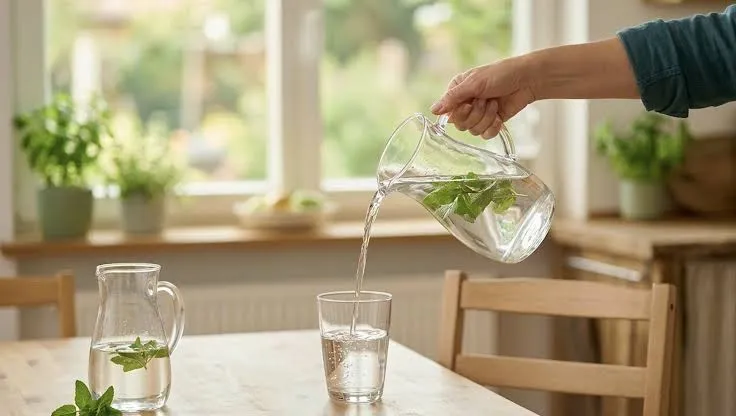
The Dangers of Drinking Too Much Water: Water Intoxication, Hyponatraemia and Symptoms

Would you like to listen to this article?
Your browser reads the article aloud.
0:00 total 16:27
Summarise this article with AI:
Water is the essential source of life and indispensable for healthy bodily function. However, the widespread belief that "the more water I drink, the healthier I am" does not always match the medical facts. Just as too much of anything is harmful, excessive water intake can lead to serious health problems and even life-threatening risks. The dangers of drinking too much water are often overlooked, yet it can upset the body's electrolyte balance and cause a medical condition known as "water intoxication".
In this article, drawing on scientific evidence, we look at the risks of overdoing it while keeping in mind the importance of proper hydration, the filtering capacity of the kidneys and the signals your body sends. Our aim is not to put you off drinking water, but to encourage mindful, balanced intake.
What are water intoxication and hyponatraemia?
"Water intoxication" in the medical literature, popularly known as water poisoning, is a clinical condition that occurs when more water is consumed in a short time than the kidneys can excrete. The key mechanism underlying this condition is hyponatraemia. Hyponatraemia means that the sodium level in the blood falls below normal values (generally 135 mEq/L).
Sodium is a critical electrolyte that maintains the balance of body fluids and helps nerves and muscles function properly. When too much water is consumed, the amount of sodium in the blood is diluted. This sudden change in body fluids causes water to move from the blood into the cells, a process called "osmosis". Under normal conditions, the fluid inside and outside the cells is in balance; but when sodium drops, cells draw water in and begin to swell. In muscle cells this leads to cramps, while swelling (oedema) of brain cells, which sit inside a closed box – the skull – can have fatal consequences.
How much water can the kidneys filter?
The human body is built on a remarkable balance, but that balance has biological limits. According to nephrology (kidney medicine) specialists, the kidneys of a healthy adult can filter roughly 20–28 litres of water a day. The truly critical point, however, is hourly capacity. The kidneys can only filter 0.8 to 1 litre of water per hour [1].
If you drink 3–4 litres of water within an hour – after intense exercise, for instance, or because of an ambitious diet plan – your kidneys cannot keep up with excreting that fluid as urine. The excess water stays in the bloodstream, dilutes the blood and triggers the hyponatraemia process described above. One of the most tragic illustrations of how dangerous it is to exceed this biological limit is the death from water intoxication of 28-year-old Jennifer Strange, who drank around 7.5 litres of water in 3 hours during the "Hold Your Wee for a Wii" contest held in California in 2007.
How drinking too much water harms the body and organs
Drinking excessive amounts of water chronically (every day over a long period) or acutely (suddenly, over a short time) puts pressure not only on the urinary system but on the body as a whole.
Kidney fatigue and dysfunction
The kidneys are the body's treatment plants. They filter the blood, separate out waste and produce urine. Drinking more water than necessary forces the kidneys to work at maximum capacity constantly. This can pave the way for "kidney fatigue", especially in older people or those whose kidney function is already reduced. In addition, the balance of the hormones that enable the kidneys to reabsorb water (ADH – antidiuretic hormone) can be thrown off. Constantly passing large amounts of urine can, over time, also cause the bladder muscles to lose elasticity and lead to problems with bladder control.
Cell swelling and brain oedema
Unlike other cells in the body, brain cells have no room to swell, because the brain is enclosed by the skull, a rigid bony structure. When brain cells take on water and swell as a result of hyponatraemia (cerebral oedema), intracranial pressure rises rapidly. This can put pressure on the brainstem, causing breathing to stop or brain herniation.
In the early stages this shows up as headache and mental confusion, but without intervention permanent brain damage may be unavoidable. Brain oedema is the most deadly complication of water intoxication.
Effects on the heart and blood pressure
Excessive fluid intake increases total blood volume. This increase places an extra load on the heart, which has to pump the blood. In people with heart failure or high blood pressure in particular, uncontrolled water intake can worsen the condition by increasing the heart's workload. In addition, a disrupted electrolyte balance (changes in the levels of sodium, potassium and magnesium) can cause heart rhythm disorders (arrhythmia).
Who is at risk? What causes an excessive urge to drink water?
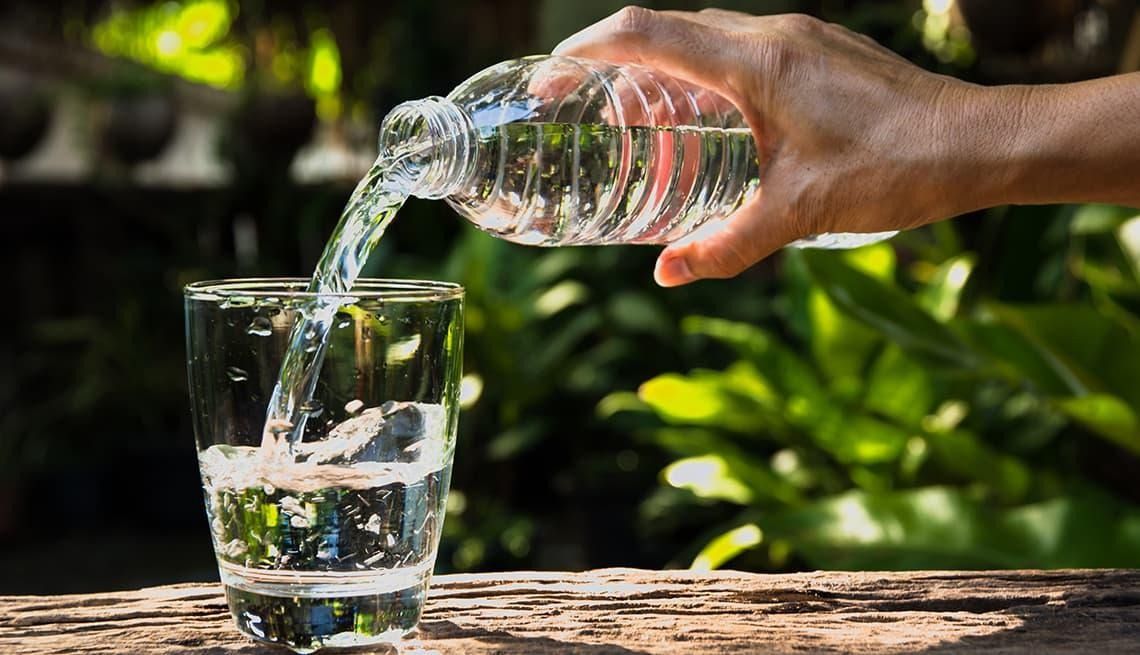
Some groups are more vulnerable to water intoxication because of their lifestyle or health condition.
People who exercise intensely and marathon runners
Athletes are usually warned about dehydration (fluid loss), but overhydration is at least as dangerous as thirst. In endurance sports such as marathons and triathlons in particular, athletes can overdo it when trying to replace the fluid they lose through sweat.
A study of 488 runners who completed the 2002 Boston Marathon found hyponatraemia in 13% of the runners (low sodium caused by excessive fluid intake), with the condition reaching a critical level in 0.6% [2]. Sweating causes the loss not only of water but also of salt. Trying to make up for this loss by drinking plain water alone dilutes the sodium in the blood even further and increases the risk.
Psychological urge to drink water (psychogenic polydipsia)
Psychogenic polydipsia is a condition in which a person drinks excessive amounts of water for psychological reasons, without any physical need due to thirst. It is usually seen in patients with schizophrenia or developmental disorders. Studies show that the condition occurs in 3% to 6% of patients receiving psychiatric treatment and that the risk of water intoxication is considerably high in this group [3]. These patients may drink as much as 10–15 litres of water a day and require close medical monitoring.
Mistakes made for the sake of weight loss: is drinking 5–6 litres of water a day harmful?
In the world of dieting, the motto "drinking water makes you lose weight" is often repeated. Although drinking water speeds up metabolism slightly and creates a feeling of fullness, drinking 5–6 litres a day does not miraculously increase fat burning; on the contrary, it causes vitamins and minerals in the body to be flushed out before they are absorbed.
Water intake is important during a healthy diet, but it should stay within the limits the body can tolerate. Excess water can dilute digestive enzymes, making digestion harder, and can cause weight gain on the scales due to oedema.
What are the symptoms of water intoxication (drinking too much water)?
The symptoms of water intoxication can be mistaken for alcohol intoxication or heatstroke. Recognising the symptoms is vital for early intervention.
Mild and moderate symptoms:
- Nausea and vomiting: The stomach becomes upset as the body tries to get rid of excess fluid.
- Headache: A throbbing pain is felt when the brain starts to swell slightly.
- Mental confusion and poor concentration: The person may struggle to answer simple questions.
- Weakness and fatigue: Electrolyte imbalance reduces muscle strength.
Advanced and critical symptoms:
- Muscle cramps and spasms: Sodium deficiency causes muscles to contract uncontrollably.
- Double vision: Pressure on the brainstem can affect the optic nerves.
- Shortness of breath: Fluid may build up in the lungs (pulmonary oedema).
- Seizures: Impaired brain function can lead to epileptic seizures.
- Loss of consciousness and coma: Without emergency medical intervention, it can be fatal.
| Stage | Symptoms | What to do |
|---|---|---|
| Early stage | Headache, nausea, clear urine | Stop drinking water and eat something salty. |
| Moderate stage | Vomiting, dizziness, confusion | Seek medical help; fluid restriction under a doctor's supervision. |
| Critical stage | Seizures, loss of consciousness, difficulty breathing | Emergency services (112), intensive care treatment. |
Water intake in special circumstances and at different times
The effect of water intake varies according to age, season and a person's physical condition at the time.
The dangers of drinking too much water for babies and during pregnancy
Babies: In the first 6 months, babies' kidneys are not yet fully developed. Breast milk or formula already contains 85–90% water. Giving extra water to babies under 6 months tires their tiny kidneys, creates a feeling of fullness that gets in the way of feeding, and lowers their sodium levels dangerously. Water intoxication develops very quickly in babies and can lead to brain damage.
Pregnancy: During pregnancy, blood volume increases and the need for water rises. However, excessive water intake puts even more strain on a bladder that is already under pressure and can affect the balance of amniotic fluid. In addition, oedema (swelling), a common problem in pregnancy, can get worse with excessive water intake. The right amount for pregnant women is the amount their doctor recommends.
Drinking a lot at night or very cold water when sweating
Drinking a lot of water just before going to bed can lead to nocturia (getting up at night to urinate), which disrupts sleep quality. Broken sleep slows the metabolism and weakens the immune system.
On a hot summer's day or after strenuous exercise, drinking "ice-cold" water may feel refreshing, but it can have a shock effect on the vagus nerve. The vagus nerve controls heart rate and digestion. Sudden stimulation with very cold water can cause the heartbeat to slow abruptly (bradycardia) and a feeling of faintness.
What are the downsides of drinking lemon water on an empty stomach?
Drinking lemon water on an empty stomach in the morning is a popular health trend. Although it is beneficial for vitamin C, it is risky for people with a sensitive stomach. When consumed on an empty stomach, the acidic nature of lemon (citric acid):
- Can increase stomach acid and trigger reflux and gastritis symptoms.
- Can cause erosion of tooth enamel.
- Can make pain worse in people with stomach ulcers.
If you have a stomach condition, warm plain water is a healthier choice than lemon water.
How many litres of water should you drink a day? Moderation matters
The "at least 2.5 litres a day" rule is a general recommendation, but it does not apply to everyone. A sedentary person weighing 50 kilos and an athlete weighing 90 kilos cannot have the same water needs.
Calculating your ideal water needs: The generally accepted formula is 30–35 ml of water per kilo of body weight.
Example: 70 kg x 35 ml = 2,450 ml (approximately 2.5 litres)
However, this amount is partly covered by the juicy fruit you eat and the tea and coffee you drink. What matters is to follow your sense of thirst and check the colour of your urine.
Checking urine colour:
- Dark yellow / amber: Insufficient water intake (dehydration).
- Pale yellow / straw-coloured: Ideal hydration.
- Clear / colourless: Excessive water intake (the kidneys are passing the water straight through and minerals are being diluted).
Tips for healthy water intake and Rainwater solutions
Water should be judged not only by quantity but also by quality. For the body's hydration, it is important that the water you drink is clean, free of heavy metals and has its mineral balance preserved. Drinking good-quality water that is well absorbed by the cells without bloating the stomach is far more effective than drinking litres of poor-quality water.
This is why it is so important to keep the quality of the water you drink at home under control. Rainwater water purification systems do not just filter mains water; they also preserve natural minerals, turning it into soft, healthy water that is pleasant to drink.
With water purifiers, you can provide the safest water for your family while avoiding the bisphenol A (BPA) risk of plastic water bottles. When you drink good-quality water, your body achieves more effective hydration with less water, and you spare your kidneys unnecessary strain.
Frequently Asked Questions (FAQ)
What happens in the body when you drink too much water?
When you drink too much water, your kidneys' filtering capacity (0.8–1 litre per hour) is exceeded. The excess water enters the bloodstream and dangerously dilutes the sodium level in the blood (hyponatraemia). To maintain fluid balance, the body draws water from the blood into the cells. This causes the cells to take on water and swell like balloons. Swelling of the brain cells inside the skull in particular (brain oedema) raises intracranial pressure and can lead to serious consequences such as headache, confusion, seizures and even death.
Can people with stomach problems drink lemon water?
People with stomach conditions such as ulcers, gastritis and reflux need to be very careful when drinking lemon water. The high citric acid content of lemons can increase stomach acid and trigger or worsen symptoms such as burning, heartburn and pain. If you have a stomach condition, you should always consult a specialist doctor before drinking lemon water and, if you do drink it, dilute it with more water and avoid drinking it on an empty stomach.
What are the symptoms of drinking too much water?
The early symptoms of drinking too much water (water intoxication) may be non-specific. In the first stage, headache, nausea, vomiting and confusion occur. As cell swelling and low sodium (hyponatraemia) become more severe, much more critical symptoms appear, such as muscle weakness, cramps, drowsiness, double vision, difficulty breathing, high blood pressure and disorientation. In advanced cases this can lead to coma and death. For more information, see the Mayo Clinic page on hyponatraemia.
Does drinking too much water cause diarrhoea?
Water itself does not directly cause diarrhoea; however, drinking an excessive amount of water in a very short time upsets the body's electrolyte balance. A sudden drop in blood sodium (hyponatraemia) puts serious stress on the gastrointestinal system, causing severe nausea and vomiting. When the body speeds up the excretory system to get rid of excess fluid, stools may be more watery than normal (diarrhoea-like). In addition, drinking a lot of contaminated water directly causes infection-related diarrhoea.
Sources
[1]https://pubmed.ncbi.nlm.nih.gov/12053855/ (Excretory limits of kidneys)
[2] https://www.nejm.org/doi/full/10.1056/NEJMoa043900 (Boston Marathon Study)
[3] https://www.ncbi.nlm.nih.gov/pmc/articles/PMC7425303/ (Psychogenic polydipsia stats)
[4]https://pubmed.ncbi.nlm.nih.gov/24434759/ (Hospital hyponatremia prevalence)