Whole-House Water Purification
17 products
Today, access to healthy, clean water has become a greater necessity than ever before.
Request received
Our experts will call you.
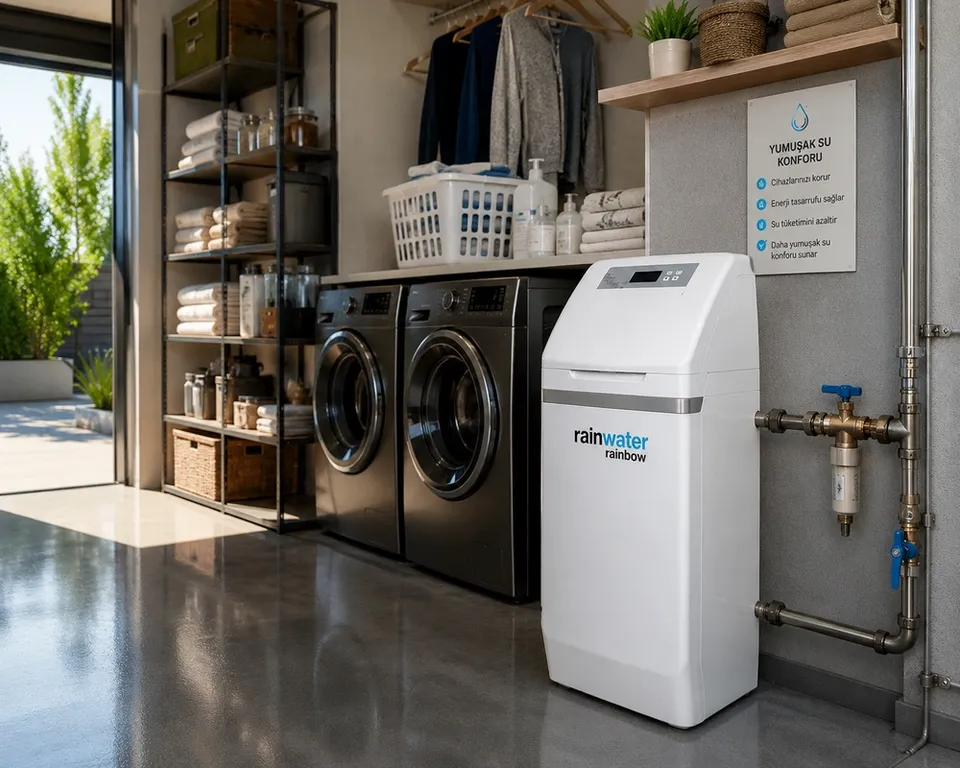
Today, access to healthy, clean water has become a greater necessity than ever before. According to United Nations data, around 70% of usable water worldwide is classed as polluted; this striking picture clearly shows how urgently the mains water reaching our homes needs to pass through a central filter (UN Water Reports). This is exactly where building entry water purification systems come in, filtering water as it passes the main meter and protecting your entire living space. Attracting interest from a wide audience, from building managers to owners of detached houses, these systems act as a comprehensive shield that directly protects not only your drinking water but also your plumbing, your household appliances and your personal health.
Water quality is one of the most fundamental factors determining our standard of living. According to a recent comprehensive survey by AREDA Piar, 65.9% of consumers say that “quality” is the biggest factor in their water consumption choices. Installing a central system that protects your home’s entire water line brings water up to these quality standards at every point where it flows from a tap. Compared with a standard water purifier, these devices can purify water for the whole building. On its way through kilometres of pipes to our homes, mains water picks up many unwanted substances such as rust, sand, chlorine and heavy limescale (calcium and magnesium). Also known as plumbing protection systems, these devices stop all these particles at your door, providing all-round protection.
The limescale in hard water is the biggest and most insidious enemy of household appliances. Washing machines, dishwashers, combi boilers and gas water heaters, which work by heating water, are particularly vulnerable to damage from hard water. Limescale coats heating elements in a thick layer, making the machine use much more energy to heat the water.
Expert plumber’s advice: “The most common faults we come across in the field are heating elements that burst because of limescale and plumbing pipes whose diameter has narrowed. Over time, hard water narrows the internal diameter of pipes, lowering water pressure and clogging combi boiler heat exchangers. A simple limescale filter or 3-stage purification set fitted at the mains inlet can completely prevent repair bills running into thousands of lira.”
Protecting your appliances from limescale does more than eliminate the risk of breakdowns; it also brings hidden savings. A heating element free of limescale brings water to the target temperature much faster. This means a significant drop in both your electricity and natural gas bills, while also helping you reduce your carbon footprint in an environmentally conscious way.
The hardness of water and the chemicals it contains affect not only our machines but also our bodies directly. Particularly in regions known for very hard water, such as Antalya, Eskişehir and Kayseri, showering with hard, chlorinated water causes dry skin, eczema flare-ups, and dull hair and hair loss. Because building entry purification systems greatly reduce chlorine and hardness minerals, the water becomes softer. When you shower with soft water, you may notice from the first use that your skin retains its natural moisture and your hair is much easier to comb and gains shine.
Residents of each flat do not need to install their own filters. A shared decision, a shared solution — water of equal quality for the whole building.
Limescale build-up narrows the internal diameter of pipes, lowers water pressure and leads to major renovation costs in later years. A building entry system eliminates this risk entirely.
Hard water damages combi boiler heat exchangers. With purified water, appliance life can be extended by up to 40%, and servicing costs fall noticeably.
One system, one maintenance point. Site managers can easily keep track of the maintenance schedule; a single contract covers the whole building.
Pre-meter water purification systems work by passing contaminants in the water through a multi-stage physical and chemical filtration process. The water’s journey through the device is based on filtration principles designed around the needs of your home or apartment building. In a standard central system, water passes through the following filter stages in turn:
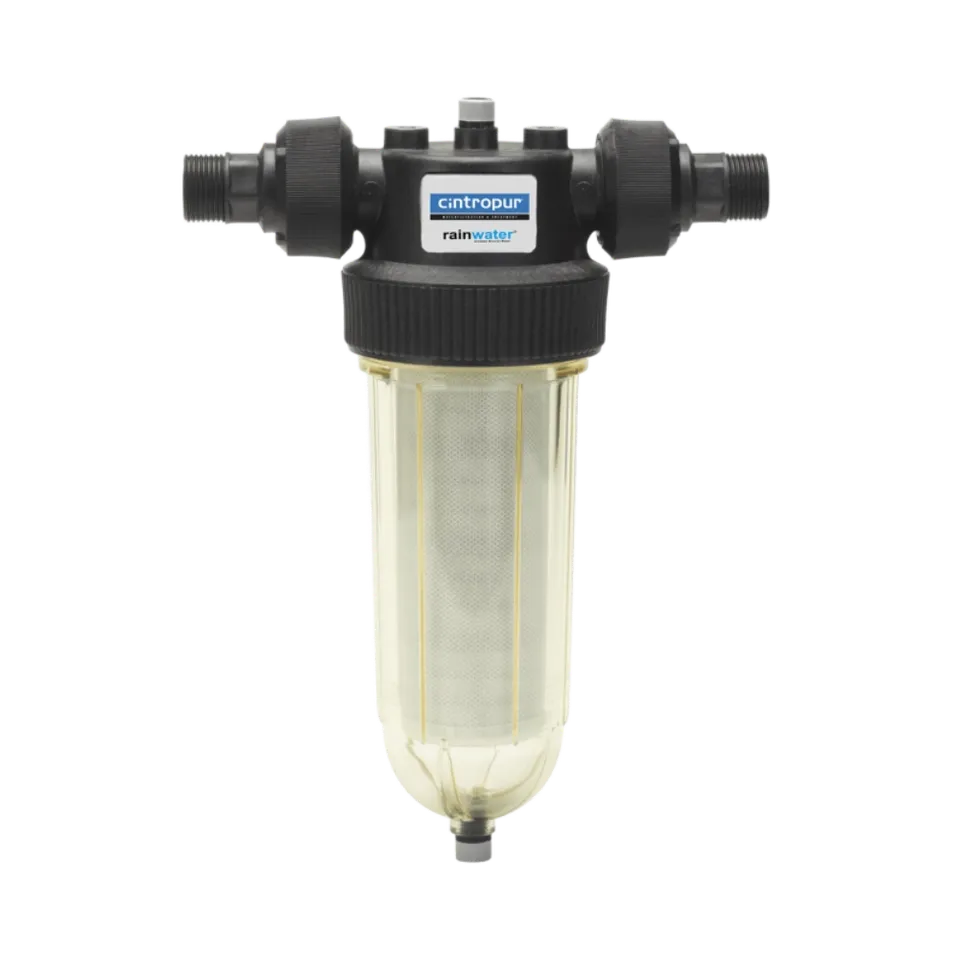
The first line of defence, the washable sediment filter, captures relatively large particles coming from the mains. Sand, mud, silt, rust particles and algae that break off from pipes are trapped at this stage. The great advantage of this filter, as its name suggests, is that it is washable; when dirty it can be removed, cleaned under running water and reused many times, keeping running costs to a minimum.
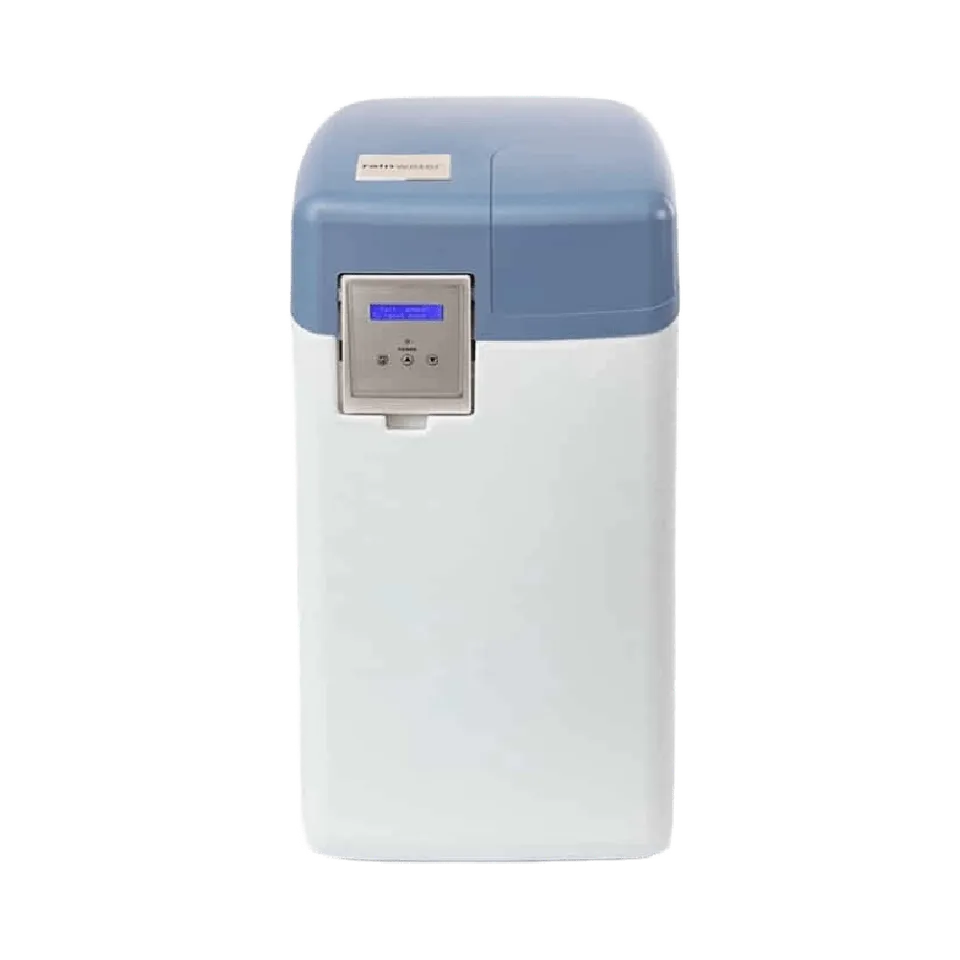
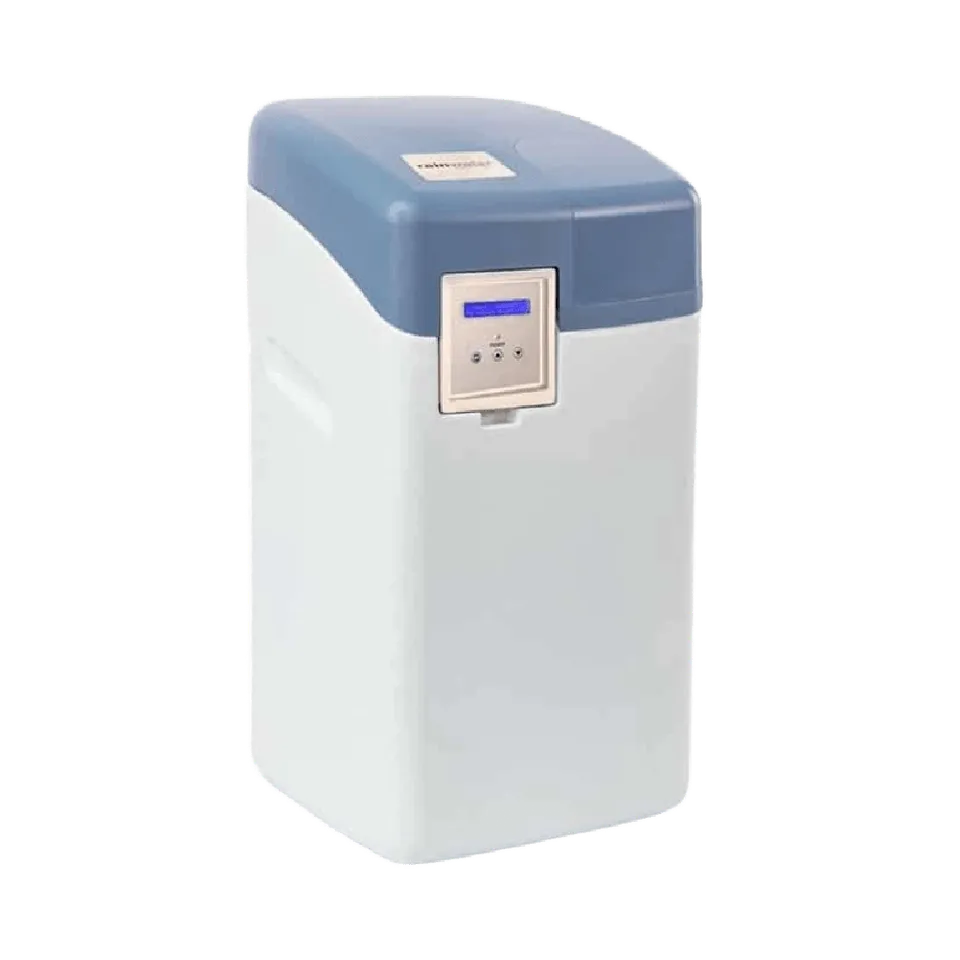
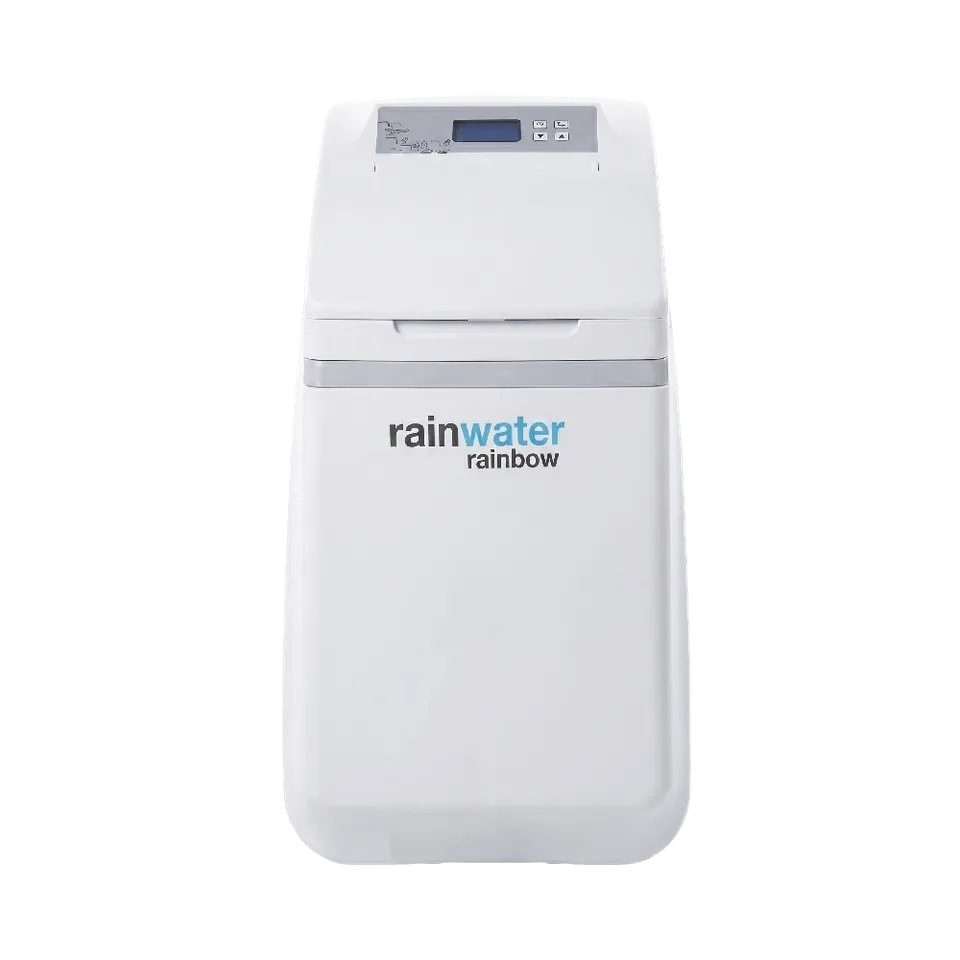
The second stage aims to reduce water hardness. This is where the silifoz (polyphosphate) filter comes in. Polyphosphate chemically binds the limescale crystals in the water, preventing them from sticking to surfaces (pipes, heating elements). In areas with much harder water, resin beads are used that work on the ion exchange principle, capturing calcium and magnesium and releasing sodium into the water.
In the final stage, the taste, smell and chemical make-up of the water are treated. The activated carbon filter absorbs free chlorine, bad odours, discolouration and organic chemicals such as pesticide residues in the water, almost like a sponge. Thanks to its ability to trap chlorine and rust, it ensures that the water reaches your flat’s taps clear and odourless.
As consumer needs diversify, the water purification market is also growing rapidly. Global demand for water purifiers is forecast to reach 35.4 billion dollars by 2030, with average annual growth of 6.4% (Industry Report). Within this broad market, there are different equipment options depending on the size of buildings and flats, the plumbing layout and the level of contamination in the water.
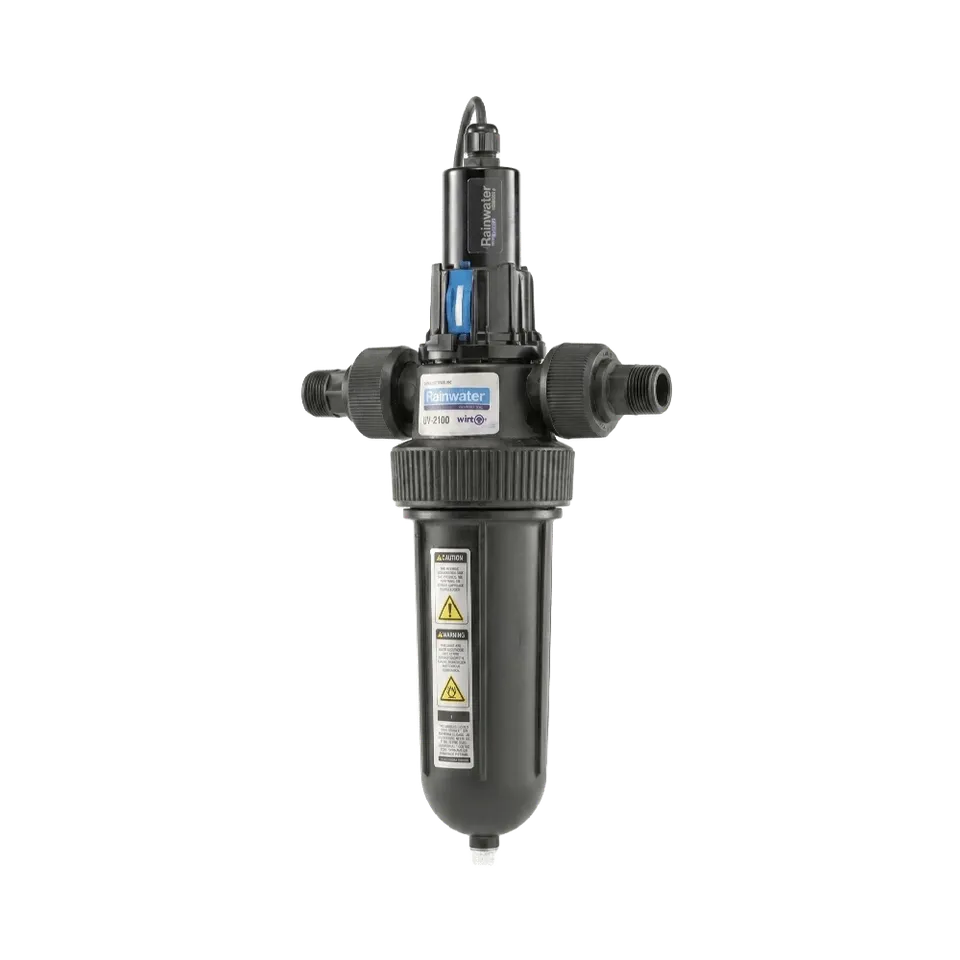
For flats and detached houses on standard mains water, the most popular products are 3-stage water purification sets. Made up of a washable sediment filter, an activated carbon (CTO) filter and a polyphosphate limescale inhibitor filter, this three-part combination is unbeatable on value for money.
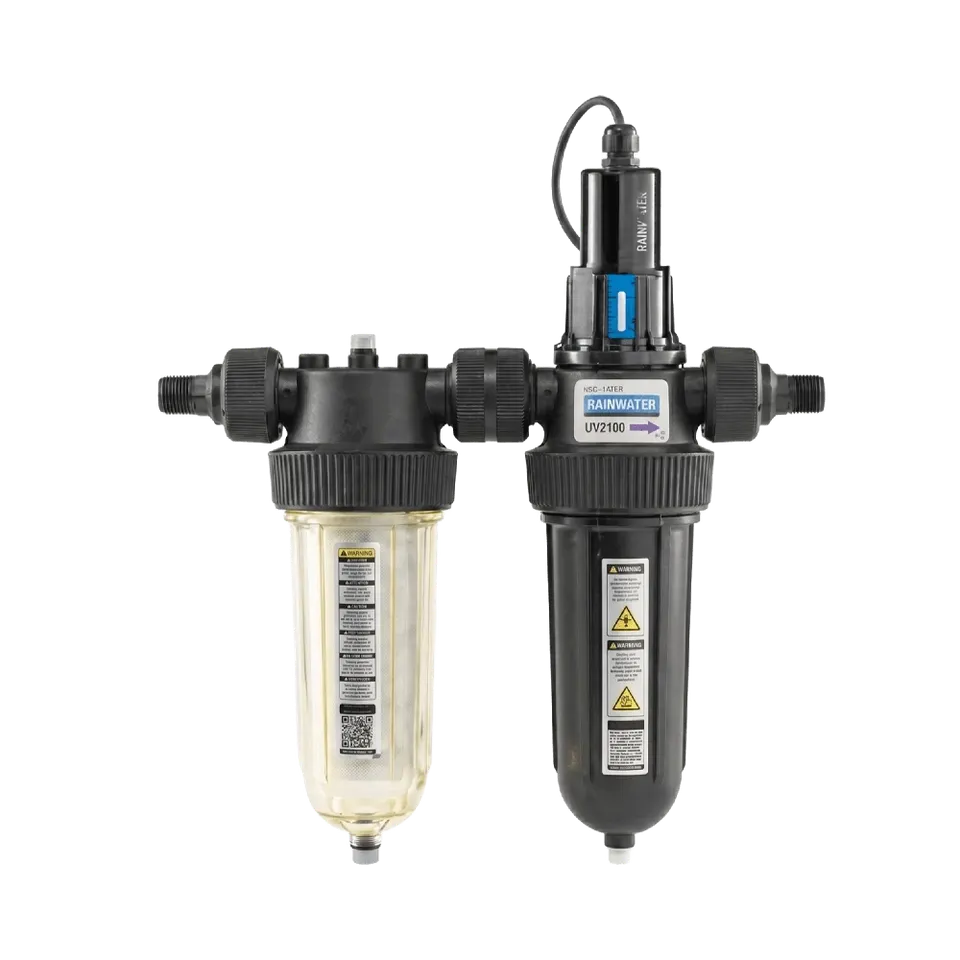
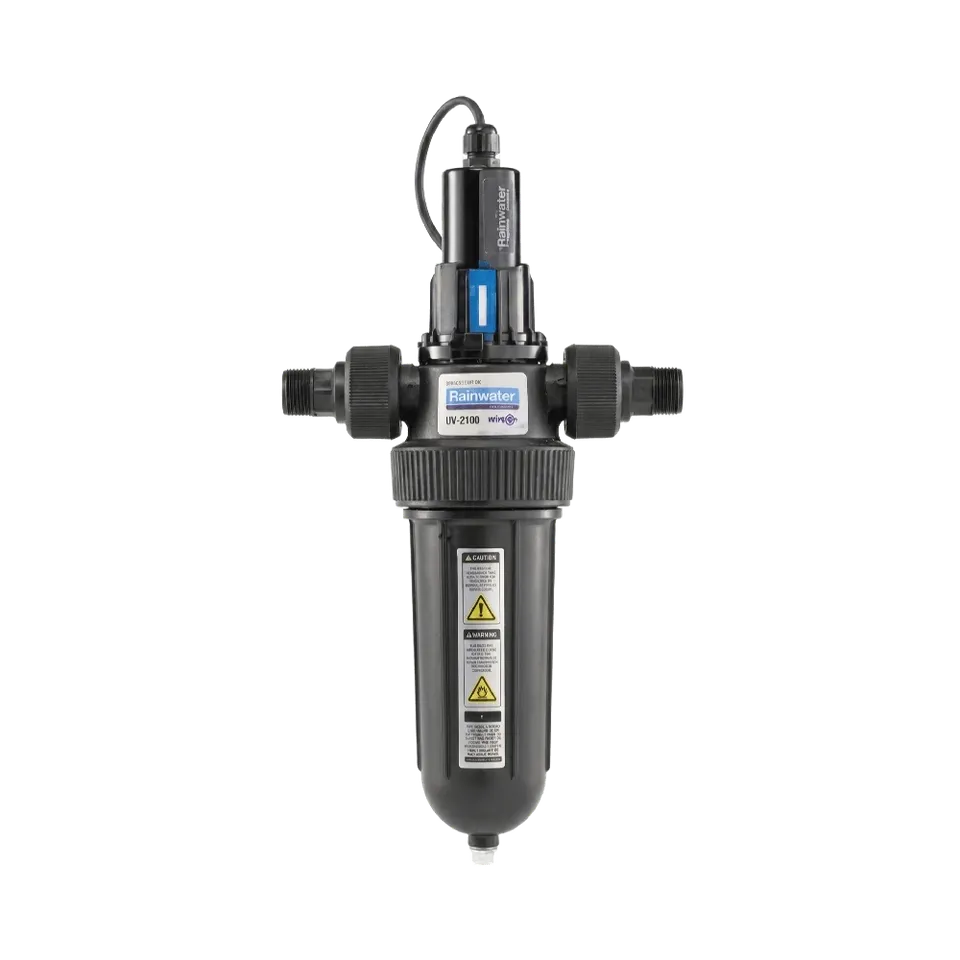
If your water is heavily contaminated, or you live in an area with old infrastructure such as an industrial zone, 4-stage systems are more suitable for you. These systems usually integrate micron spun filters providing extra-fine filtration, or additional modules that prevent bacterial growth. In well water purification projects, an ultraviolet (UV) lamp module must always be included in these multi-stage systems to counter the risk of bacteria.
When choosing a system, filter size should be determined by daily water flow requirements. For standard flats with one or two bathrooms, a 10-inch filter housing easily provides sufficient water pressure. However, for a multi-flat apartment building, a villa or a commercial business with high daily water consumption, 20-inch polyphosphate filter and carbon units providing a higher flow rate should be chosen to prevent a drop in water pressure.
3-stage and 4-stage building entry systems comparison table
| Features | 3-stage system | 4-stage system |
|---|---|---|
| Number of stages | 3-stage protection | 4-stage protection |
| Filters used | Sediment, activated carbon, polyphosphate | Sediment, spun (fine), carbon, polyphosphate/resin |
| Cost | Very economical (budget-friendly) | Medium to high cost |
| Ideal use | Standard mains water (flats) | Industrial areas, well water, old infrastructure |
One of the most popular features of cartridge-based building entry systems is that the vast majority work entirely without electricity. The existing natural pressure of mains water is more than enough to push water through the filters. Installation is also extremely simple; an expert plumber can wall-mount the system immediately after the outlet of your main water meter within half an hour, using standard pipe wrenches and connection fittings. With the rise of smart home trends in recent years, there are also modern fully automatic systems for apartment buildings that send filter contamination alerts to the building manager’s mobile phone as notifications. If you would like more general information on standards for environmental protection and water management, you can review the Environmental Protection Agency’s drinking water guidelines (EPA Guidelines).
Regular maintenance is essential for your system to keep performing as it did on day one for many years. Washable filters are very practical; once a month they can be cleaned of mud under a tap using pressurised water and a soft brush. However, because activated carbon and polyphosphate filters have a chemical lifespan, they need to be replaced with new ones rather than cleaned. If you would like to read in detail about the internal structure and replacement standards of these filters, you can also browse our water purifier filter types category.
Filter replacement and maintenance intervals table
| Filter type | Cleaning frequency | Replacement life (months / years) |
|---|---|---|
| Washable sediment | Once a month (depending on contamination) | 12–24 months (when deformed) |
| Activated carbon filter | Not cleaned | 6–8 months |
| Polyphosphate (limescale inhibitor) | Not cleaned | 6–12 months (topped up as the crystals dissolve) |
| Resin unit | Automatic backwashing | 3–5 years |
As of 2026, flat entry water purification prices vary according to the brand of the device chosen, its capacity (10-inch or 20-inch), the quality of the filters used and manual/automatic washing options. While manual 3-stage filter sets installed for a single flat are sold at very economical prices that are within everyone’s reach, the costs of backwashing filter, sand, carbon and fully automatic resin units installed for apartment buildings of 20–30 flats or industrial facilities are naturally higher. Whatever the initial cost, however, given savings of up to 40% on detergent use, longer appliance life and lower energy bills, the system quickly pays for itself. For product pricing and to identify the device with the right capacity for you, you can get in touch with our expert team via our contact page and request a free site survey.
Request received
Our experts will call you.