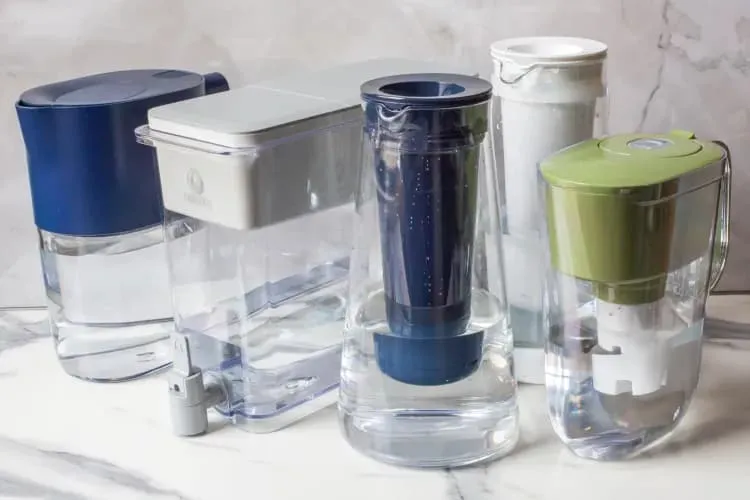
How to Make Clear Ice? Glass-Clear Ice at Home and in an Ice Machine
Would you like to listen to this article?
Your browser reads the article aloud.
0:00 total 14:13
Summarise this article with AI:
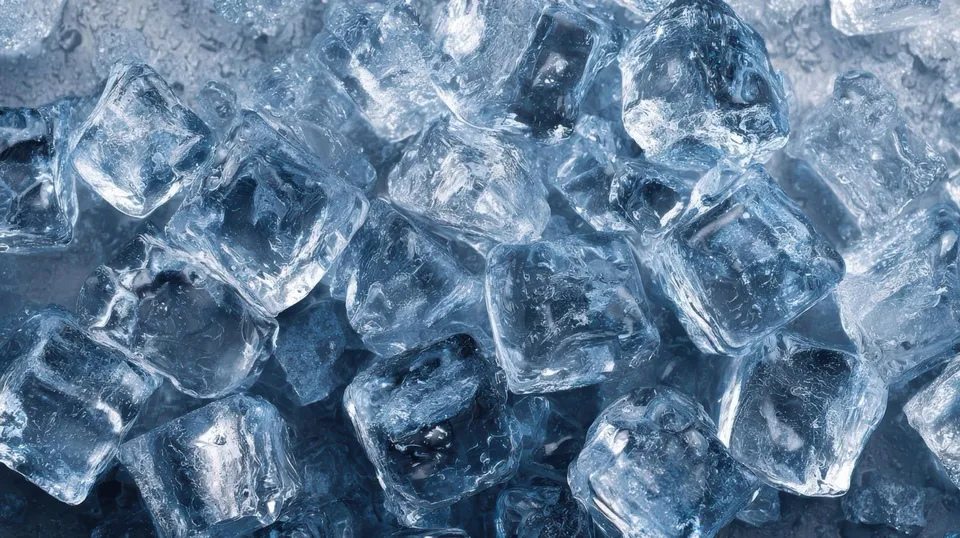
You may have noticed that the ice in a glass at a cocktail bar is crystal clear, while the ice you freeze at home looks white and milky in the middle. The difference is not just about looks: clear ice melts more slowly, dilutes your drink later and leaves no taste behind. The secret to making clear ice lies both in how the water is frozen and in the quality of the water used. In this article we look at why ice turns cloudy, how to make clear ice at home, and what cafés and bars need to watch out for to get consistently clear ice from their ice machines.
Key points
- Ice turns cloudy for two reasons: dissolved air and dissolved minerals in the water. Both get trapped in the centre as the ice freezes.
- The most effective method at home is directional freezing, which freezes water in an insulated container from the top down only.
- Boiling reduces air but does not remove minerals; on its own it usually produces semi-clear ice.
- The most common cause of cloudy, soft or misshapen ice from an ice machine is water hardness and a high TDS value.
The Short Answer: How to Make Clear Ice?
The most effective way to make clear ice is to freeze filtered water slowly and from one direction only. At home, all you need to do is freeze the water in an insulated container with the lid off for 18–24 hours; the ice grows only from the top down, air and minerals collect in the last part to freeze at the bottom, and this cloudy section is cut off and discarded. Professional ice machines work on the same principle, freezing the water layer by layer as it flows over a cold plate; that is why the key to clear ice from a machine is the quality of the water going into it.
Why Does Ice Turn Cloudy?
Cloudy ice is not necessarily a sign of contamination; more often it is a result of the water's natural content and the way it is frozen. As water freezes, ice crystals form an orderly structure and push out anything that does not belong to it. What causes the cloudiness is these expelled substances becoming trapped inside the ice.
Dissolved Air
Tap water carries an invisible amount of dissolved air. When the water starts to freeze, this air cannot enter the ice crystal and separates out as tiny bubbles. Because the bubbles scatter light, they create a white, milky appearance inside the ice.
Dissolved Minerals
Calcium, magnesium and other salts in the water are not incorporated into the ice crystal either, and they become concentrated in the water that has not yet frozen. In areas with hard water this effect is far more pronounced; the white core in the middle of the ice grows larger and a thin residue may be left in the glass once the ice melts. You can measure the mineral content of your water using its TDS value.
Freezing From All Sides
In a freezer ice tray, the water cools from all sides at once. The outer layers solidify first and push air and minerals inwards, towards the centre. The centre freezes last and everything that has been pushed there becomes trapped; this is why ice cubes are clear at the edges and white in the middle. So to solve cloudiness, you need to control both the content of the water and the direction in which it freezes.
How Is Clear Ice Different From Cloudy Ice?
Because clear ice contains no air bubbles or mineral residue, it has a denser, harder structure. This density makes the ice melt more slowly; compared with cloudy ice of the same size, it dilutes the drink later and preserves the aroma of drinks such as whisky, cocktails or iced coffee for longer. Cloudy ice, on the other hand, is more brittle because of the air pockets inside it and breaks up more quickly in the glass.
There is a difference in taste too. Ice made from unfiltered water releases a chlorine or mineral taste into the drink as it melts. Customers can easily notice this change in taste, particularly in lightly flavoured cocktails, cold brew coffee and iced teas. In terms of presentation, clear ice is seen as a mark of quality because it shows the colour of the drink exactly as it is.
How to Make Clear Ice at Home?
You do not need professional equipment to make clear ice at home; the real point is to control the direction and speed at which the ice freezes. We have listed the methods below from the most effective to the least. You will get the best results by combining filtered water with directional freezing.
The Directional Freezing Method
The aim of directional freezing is to make the water freeze only from the top surface downwards. Because an insulated container blocks the cold coming from the sides and the bottom, the ice grows in one direction and air and minerals are pushed towards the bottom section, which freezes last. To try it, you can follow these steps:
- Find a small cool bag or insulated container that fits in your freezer.
- Fill the container with filtered water and place it in the freezer with the lid off.
- Wait 18–24 hours; ideally, take it out before it freezes completely, while a little water is still left at the bottom.
- Remove the block from the container; the top will be glass-clear and the bottom cloudy.
- Separate the cloudy part and cut the clear block to the size you want.
Using Filtered and Boiled Water
Boiling water once, letting it cool and then boiling it again reduces the dissolved air in it. However, boiling does not change the mineral content of the water; when you boil hard water, the minerals still end up in the ice. That is why using water that has passed through a filter or come from a water purifier makes more of a difference than boiling. On its own, this method usually produces semi-clear ice, but combined with directional freezing the result improves noticeably.
Slow Freezing
The colder the freezer, the faster the ice freezes, leaving the bubbles no time to escape. Turning the freezer to its highest (least cold) setting lets the ice freeze more slowly and more clearly. However, if there is other food in the freezer, this setting is not recommended for food safety reasons; it is better to consider this method only for a separate freezer or for short-term use.
Clear Ice Moulds
Clear ice moulds sold on the market turn the directional freezing principle into a ready-made product. They usually consist of an insulated outer container with silicone moulds that sit inside it, and they make the cloudy part collect in a reservoir at the bottom. They are a practical solution for those who do not want to bother with cutting; but here too, the best results come with filtered water.
You can see the methods compared side by side in the table below.
| Method | Clarity | Time | Difficulty |
|---|---|---|---|
| Directional freezing + filtered water | Very high | 18–24 hours | Moderate (cutting required) |
| Clear ice mould + filtered water | High | 18–24 hours | Easy |
| Filtered and boiled water | Moderate | 3–4 hours | Easy |
| Slow freezing | Moderate | 24 hours | Easy, but the freezer setting changes |
How to Cut and Store a Clear Ice Block?
A block made by directional freezing may crack if you try to cut it as soon as it comes out of the freezer. Leaving the block at room temperature for a few minutes lets the surface soften slightly and reduces internal stress. Then, if you place a serrated knife on the line you want to cut and tap it lightly with a wooden mallet, the ice will usually split cleanly along that line.
Cut ice should be stored in a sealed bag or a covered container. Ice easily absorbs the smells of food in the freezer, and if left uncovered its surface frosts over and turns matt. Ice taken out just before serving both looks clearer and lasts longer in the glass.
How Does an Ice Machine Make Clear Ice?
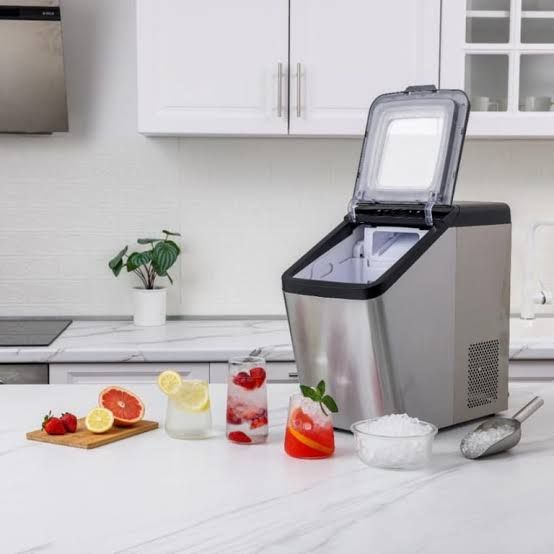
Rather than pouring water into a mould and waiting, professional ice cube machines continuously run or spray water over a very cold evaporator plate. As the water touches the plate it freezes in thin layers, and the ice grows from one direction, layer upon layer. The water that keeps flowing carries away air bubbles and most of the minerals before they can get into the ice.
At the end of each production cycle, the remaining mineral-concentrated water is drained away. In other words, an ice machine applies a continuous, fast version of directional freezing at home. But this system has an important consequence: even if the minerals do not stay in the ice, they do stay in the machine. The harder the water, the faster limescale builds up on the evaporator, water distribution tubes and sensors.
Why Does an Ice Machine Make Cloudy Ice?
Behind most water-related problems with ice machines lies the mineral content of the water, that is, its TDS value. Hard water and high TDS increase the amount of minerals the machine has to separate from the ice, and beyond a certain point this load shows up in both the ice and the machine. The table below summarises the most common symptoms and their causes.
| Symptom | Possible cause | Result |
|---|---|---|
| Cloudy, white ice | Hard water, high TDS | Loss of visual quality |
| Soft, fast-melting ice | High sodium and chloride in the water | Drink dilutes quickly |
| Misshapen or stuck-together cubes | High TDS | Harvest problems, freeze-up blockage |
| Reduced ice production | Limescale on the evaporator | Longer cycles, more energy |
| Chlorine or bad taste | Unfiltered mains water | The drink's taste is spoilt |
Source: Water Technology – Water's impact on fountain beverages and beverage systems
Limescale on the evaporator plate insulates the plate, slowing down freezing and making the machine run longer for the same amount of ice. Limescale building up on the ice thickness sensor can cause the machine to release the ice too early or too late. Regular cleaning with a descaler fixes this problem temporarily; the permanent solution is to control the water going into the machine. We explained the same logic for espresso machines in our coffee machine descaler guide.
Limescale and Hygiene Risks in Ice Machines
An ice machine is often seen as just a piece of equipment; yet the ice it makes goes straight into the drink in the glass and into the customer's mouth. That is why ice should be made from drinking-quality water and the machine should be managed like food equipment. At this point, limescale is not just an efficiency problem but a hygiene problem as well.
Scaled, rough surfaces make it easier for bacteria to attach and form biofilm. Over time, this thin layer forming inside the machine can cause odour and taste problems, and pieces of it can break off and get into the ice. That is why an ice machine needs to be cleaned and disinfected regularly according to the manufacturer's instructions, and the filter cartridge must be replaced on time. Knowing the difference between sanitation and disinfection helps you set up the cleaning plan correctly.
How to Maintain Ice Quality in Cafés and Bars?
Serving equally clear ice in every glass in cafés and bars depends on proper water management as much as on choosing the right machine. The first step is to fit a filter that controls sediment, chlorine and limescale on the ice machine's water inlet and to keep a record of cartridge replacement dates. Beyond that, simple habits such as a regular cleaning plan for the machine, taking ice only with an ice scoop and never leaving the scoop in the ice, and keeping the bin closed outside service hours have a direct effect on ice quality.
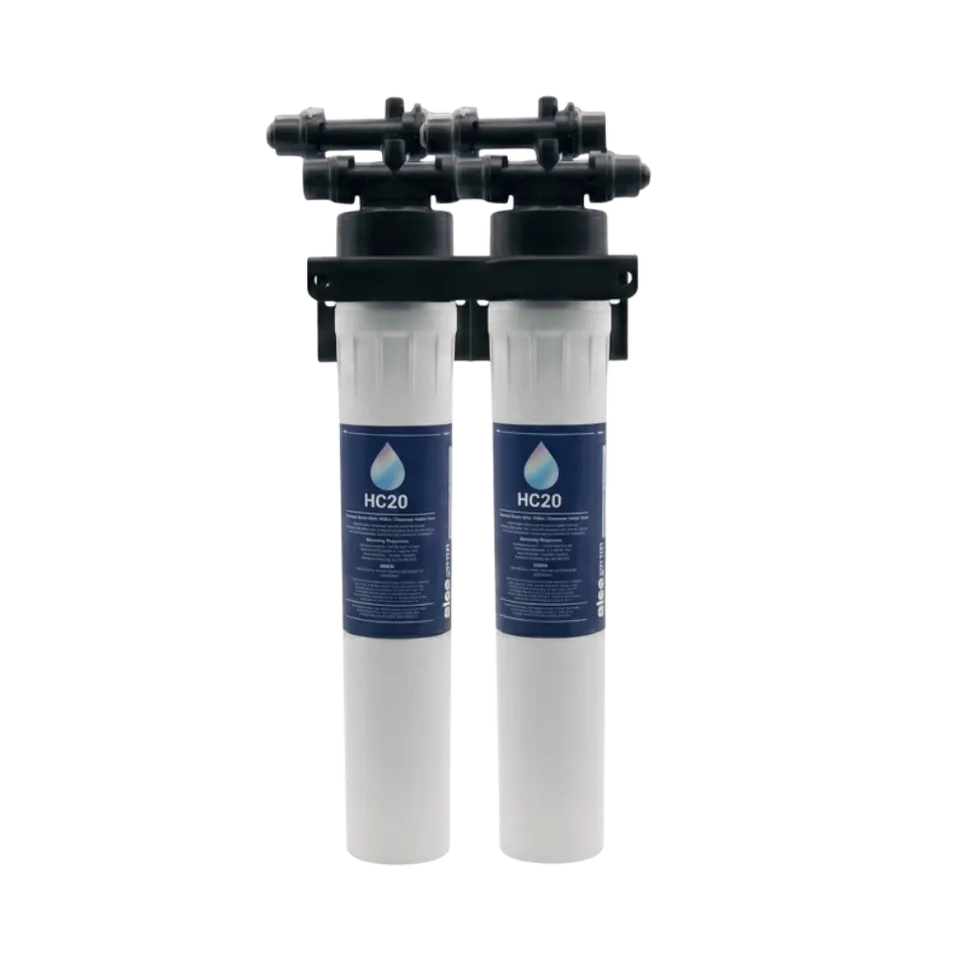
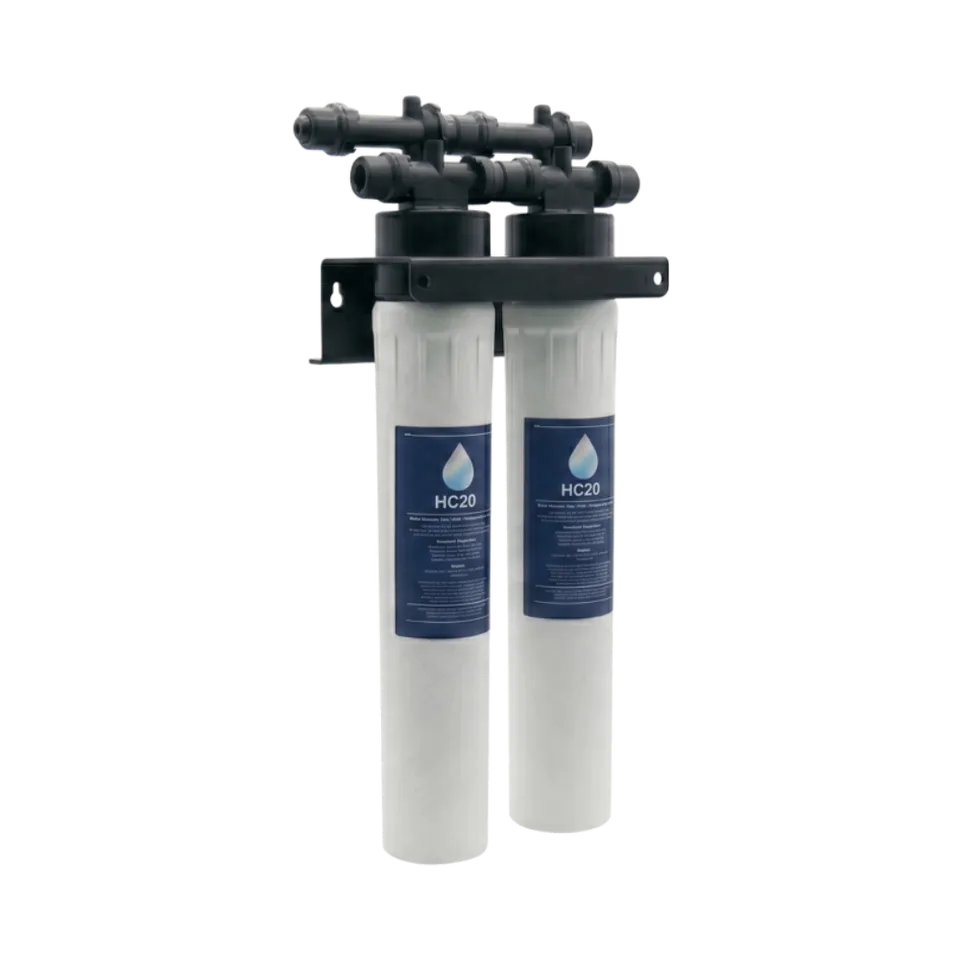
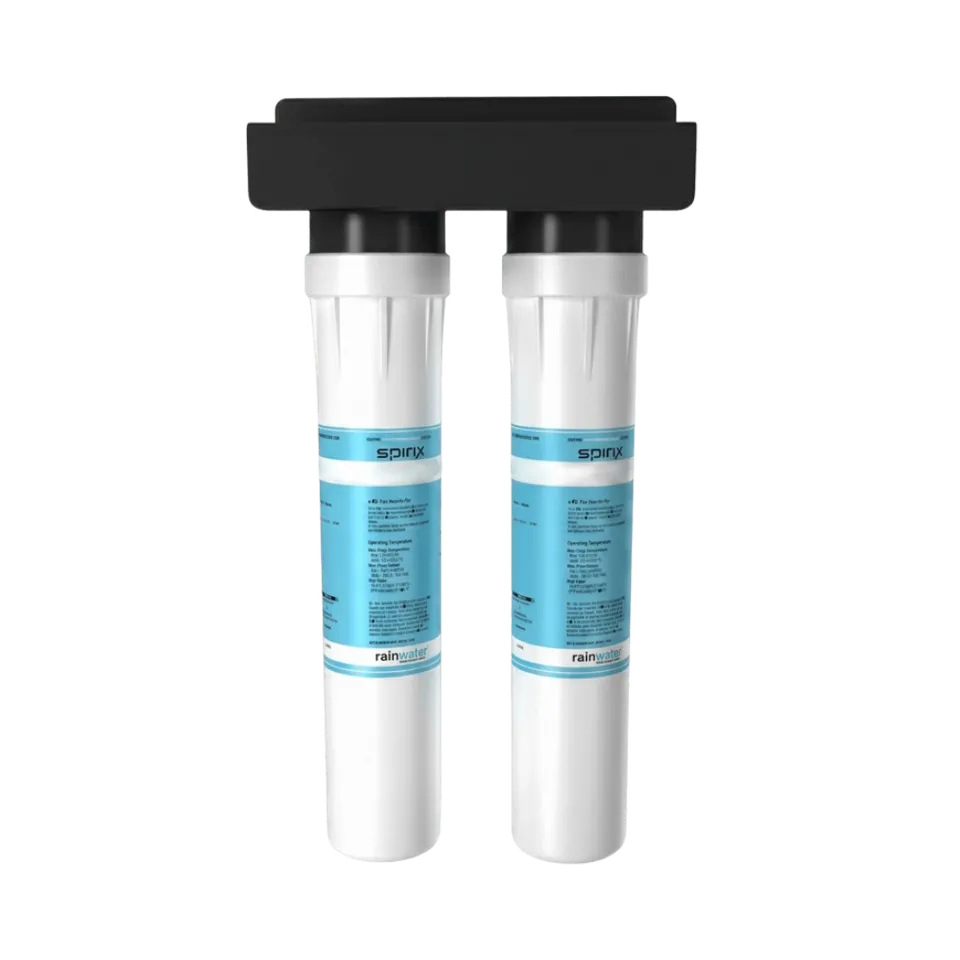
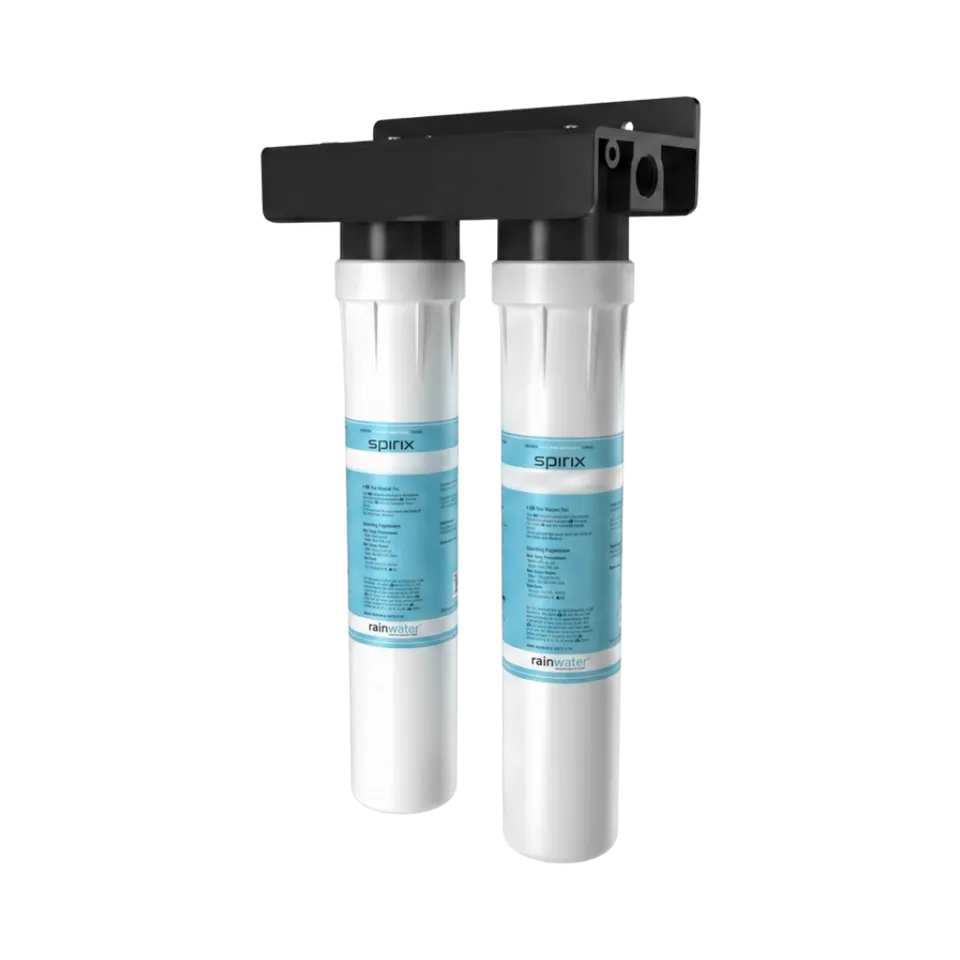
Rainwater's Cube Com Spirix CL-20 Ice Machine Filter system connects to the ice machine's water inlet. Its 0.5-micron ultrafiltration membrane traps sand, sediment, rust and fine particles; its long-life phosphate media prevents limescale and corrosion on the evaporator. The 170,000-litre cartridge capacity suits busy businesses, and the inlet and outlet pressure gauges make it easy to keep track of when the cartridge needs replacing.
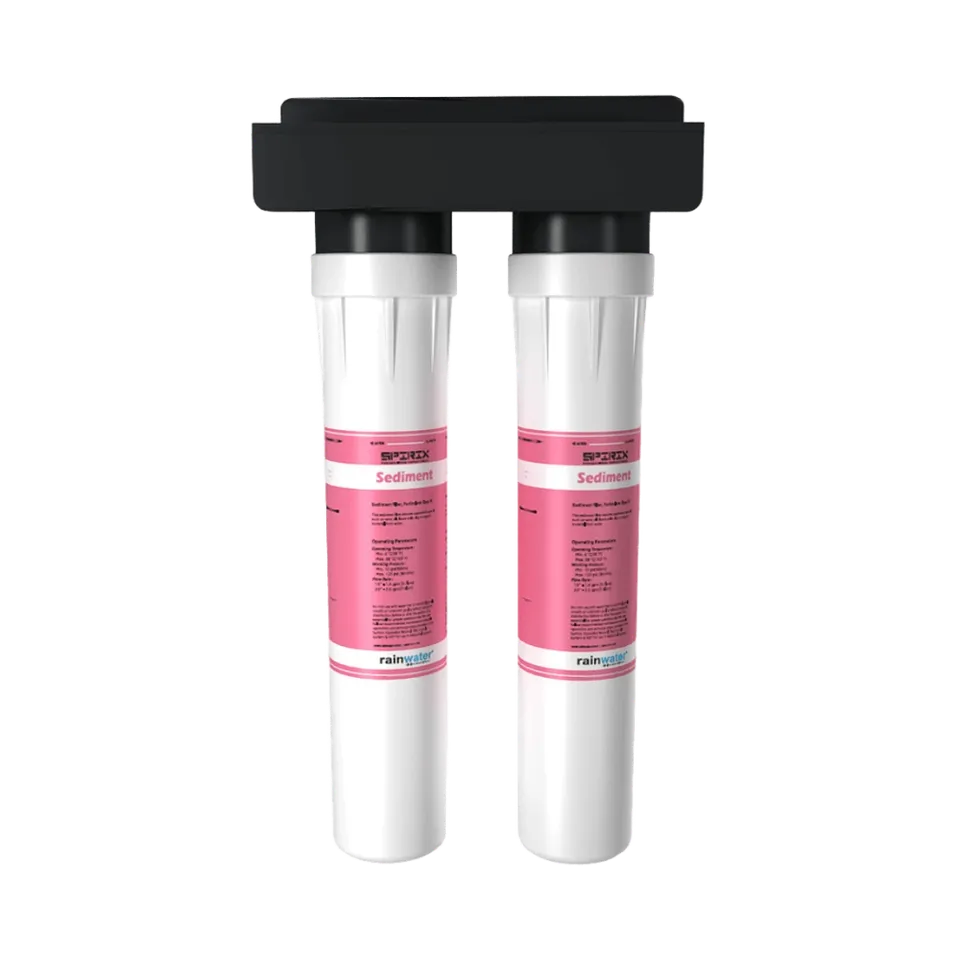
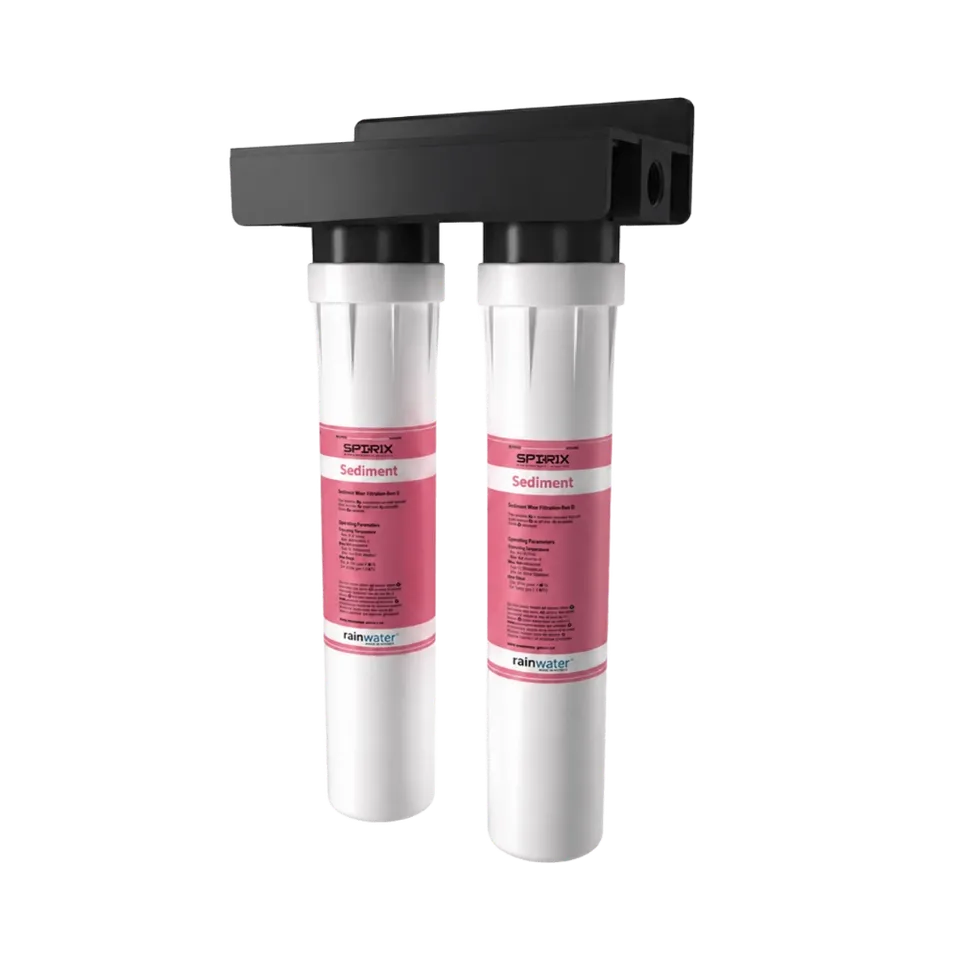
Because soda, sherbet and cold drink machines use the same water, they can be protected on a single line together with the Cold Com Spirix ST-20 Cold Beverage Filter. You can explore the right combination for your business on our Bar and Restaurant Water Purification Systems page or speak to our expert team on 444 0 420.
Frequently Asked Questions
What Should You Do to Make Ice Transparent?
For ice to be transparent, the water needs to freeze slowly and from one direction. The most practical way is to freeze filtered water in a cool bag with the lid off for 18–24 hours and then cut off and discard the cloudy section that collects at the bottom.
Does Boiled Water Make Clear Ice?
Partly. Boiling reduces the dissolved air in the water, but it does not remove minerals and does not solve the problem of freezing from all sides. That is why boiled water on its own usually produces semi-clear ice.
Are Crystal Ice and Clear Ice the Same Thing?
Yes. Crystal ice, glass-clear ice and clear ice are all terms for the same thing: ice that contains no air bubbles or mineral residue and that you can see straight through.
Does Clear Ice Melt More Slowly?
Yes. Because clear ice contains no air bubbles, it is denser and melts more slowly than cloudy ice of the same size. This means the drink dilutes later and keeps its aroma for longer.
Why Does an Ice Machine Make Cloudy Ice?
The most common cause is water hardness and a high TDS value. Limescale building up on the evaporator plate and an expired filter cartridge also make the ice cloudy. Fitting a suitable filter on the water inlet and replacing the cartridge on time largely solves the problem.