Why Is Tea Bitter? The Causes of Cloudy Tea and the Film on Top
Would you like to listen to this article?
Your browser reads the article aloud.
0:00 total 12:58
Summarise this article with AI:
Tea made from the same packet in the same teapot sometimes achieves that classic deep ruby "rabbit's blood" colour and smooth finish, and sometimes leaves a bitter, astringent and dull taste from the very first sip. Most people put this down to it being "stewed"; in reality, there are far more factors behind tea turning bitter and cloudy than brewing time alone. Because a glass of tea is almost entirely water, the hardness and chlorine content of the water you use also directly determine the result. In this article, we look at why tea can turn bitter and cloudy, what the film on top actually is, and what to watch out for to get a clear cup of tea every time, whether at home or in a business.
Key points
- Tea's bitter taste comes largely from polyphenols such as tannins and catechins passing into the water in excessive amounts.
- Over-brewing, letting the teapot boil, using too much tea and tea left standing for a long time are the most common causes of bitterness.
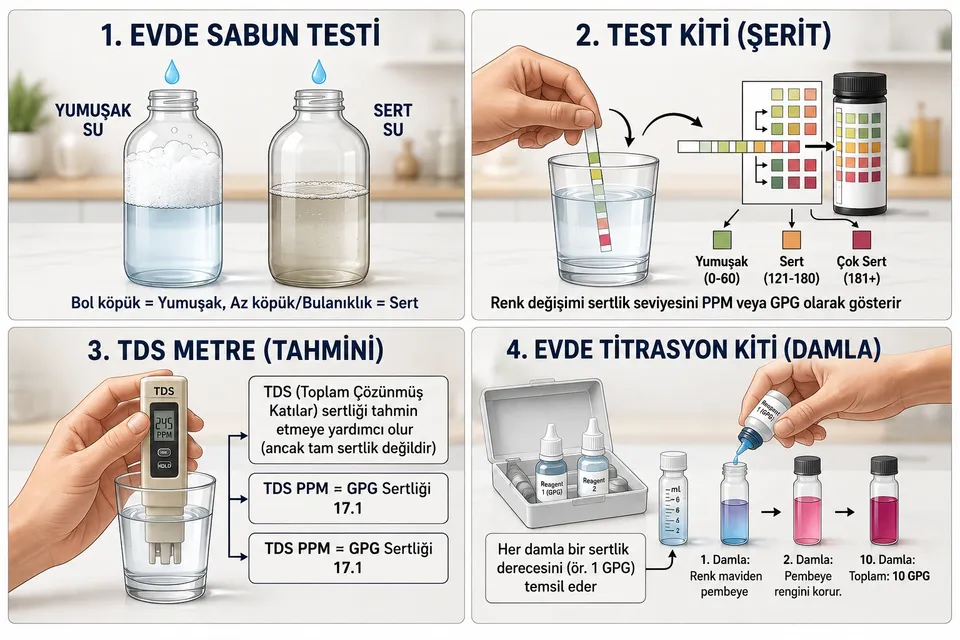
- The thin, shiny film on top of tea forms when calcium in the water combines with tea polyphenols, and it is a sign that the water is hard.
- Chlorinated and hard water mask the aroma of tea; filtered water gives a brighter colour and a cleaner taste.
The Short Answer: Why Is Tea Bitter?
The most common reason tea tastes bitter is that the tannins and catechins in the leaves pass into the water in excessive amounts; this usually happens through over-brewing, letting the teapot boil on the hob, using too much tea or keeping brewed tea on the heat for too long. Even when the brewing is done correctly, hard or chlorinated water can make tea astringent, dull and cloudy. So for a clear tea that is not bitter, you need to pay attention to both your brewing technique and the quality of the water you use.
Where Does Tea's Bitter Taste Come From?
Black tea leaves contain polyphenols, which give tea its colour, body and characteristic astringency. Chief among these are tannins and catechins; during brewing, hot water draws these compounds out of the leaf. When the right amount dissolves, they give tea a full, balanced flavour; when too much dissolves, they turn into a bitter, astringent taste that leaves the mouth feeling dry.
In other words, bitterness is really a natural characteristic of tea taken to excess. Anything that upsets this balance, whether very hot and prolonged contact, too many leaves or the chemical make-up of the water, increases the risk of tea turning bitter. In the sections below, we look at each of these factors in turn.
How Do Brewing Mistakes Make Tea Bitter?
Small mistakes in brewing Turkish-style tea make a big difference to the result in the glass. More often than not, the problem stems not from a single mistake but from several small habits adding up. You can find the correct brewing steps in detail in our guide to brewing tea; here we focus on the mistakes that lead to bitterness.
Over-Brewing
The brewing time for black tea is generally 10–15 minutes. Beyond this, the leaves open up fully and tannins keep passing into the water; the tea becomes stronger, its colour dulls and it turns bitter. If you prefer stronger tea, increasing the proportion of brew in the glass rather than extending the brewing time reduces the risk of bitterness.
Letting the Teapot Boil
The teapot should not be in direct contact with the flame; the tea should brew over a low heat, using the steam from the kettle beneath. If the tea inside the teapot boils, the leaves are effectively cooked and polyphenols pass into the water uncontrollably. This makes the tea bitter and also causes it to lose its aroma.
Using Too Much Tea
Adding more tea does not mean a stronger brew; more often than not, it means a more bitter one. About one teaspoon of tea per glass is a good starting point; you can adjust the ratio to suit the leaf structure of your tea and your own taste. Finely cut teas brew more quickly, so you may need to use slightly less of them.
Tea Left Standing
Tea left on the heat for a long time after brewing continues to oxidise, and its taste changes noticeably. This tea tastes both more bitter and more "stale". For freshness, brewing smaller amounts more often, rather than making a large batch in one go, gives the best results.
How Does Water Change the Taste of Tea?
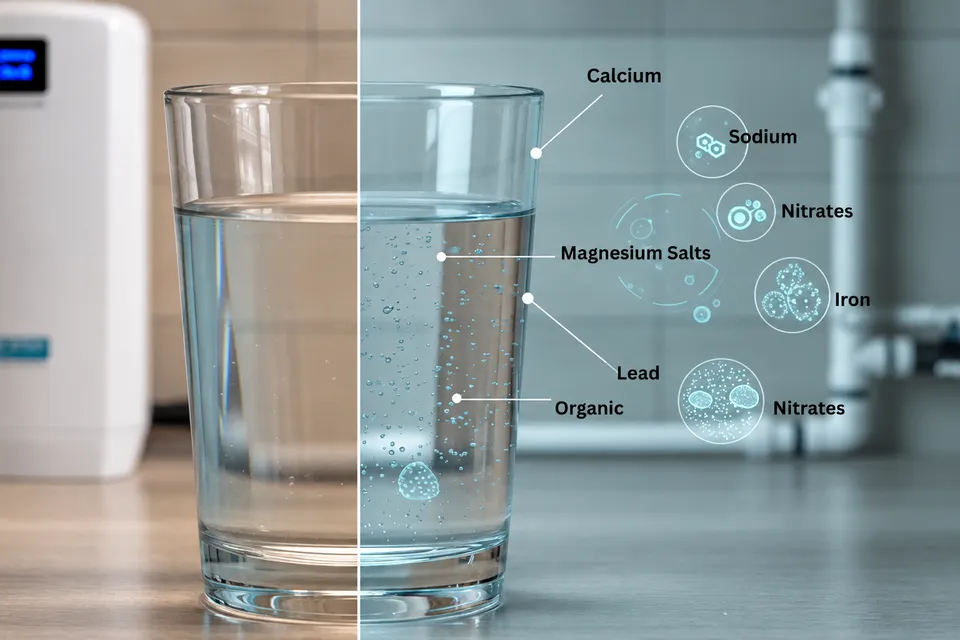
Tea is a drink that interacts chemically with water; this is why the same tea can give completely different results when brewed with different water. The minerals, chlorine and sediment in water affect both the taste and the appearance of tea. The table below summarises how the main components of water affect tea.
| Component in water | Effect on tea |
|---|---|
| Calcium and magnesium (hardness) | Binds with polyphenols; film on top, dull colour, astringent and dry mouthfeel |
| Chlorine | Medicinal or swimming-pool smell; masks the tea's aroma |
| Sediment and rust | Cloudiness and a metallic taste |
Research shows that as the mineral content of water increases, the amount of polyphenols passing from the leaf into the water decreases, and calcium forms complexes with these compounds (Royal Society of Chemistry, Soft Matter 2023). This means that tea brewed with hard water is both less aromatic and more astringent. Chlorine, meanwhile, is necessary for disinfecting mains water but leaves a distinct chemical smell in tea; you will easily notice the difference, especially at times when chlorine levels are high.
Removing all minerals from water is not always ideal either; water with very low mineral content can give some teas a sharper, unbalanced taste. The aim is water with the chlorine and sediment removed and its hardness balanced. We examine the effect of purified water on the flavour of tea and coffee in more detail in a separate article.
Why Does Tea Go Cloudy?
There are two main reasons why tea looks dull and cloudy instead of a clear, bright red: water hardness and the tea cooling down. The first shows up at the moment of brewing, the second as the tea stands in the glass.
Hard Water and Tea Film
When hard water is heated, the calcium bicarbonate in it turns into calcium carbonate. This calcium combines with the tea's polyphenols to form a complex that does not dissolve in water. The complex rises to the surface, creating a thin, shiny film on top of the tea, leaving a brown ring around the edge of the glass and making the tea cloudy. Research has found that the thickness of this film increases with the amount of calcium in the water, and that it largely does not form in soft and filtered water.
Cloudiness in Cooling Tea
When brewed tea cools, the caffeine and polyphenols in it can bind together and settle out; this makes the tea cloudy and its colour dull. This effect is more pronounced in tea brewed with hard water. Serving tea fresh and hot, cooling it quickly when making iced tea and using filtered water all reduce cloudiness.
Is the Film on Top of Tea Harmful?
The thin film that forms on top of tea is not as dangerous as many people fear at first sight. This film is a complex formed when calcium in the water combines with the tea's natural compounds, and it is not considered a harmful substance. However, it spoils the taste and appearance of the tea and clearly shows that the water you are using is hard.
Adding a few drops of lemon reduces this film, because the acid separates the calcium from the complex. This is a temporary fix and also changes the taste of the tea. The permanent solution is to brew tea with water that has had limescale and chlorine removed. The same calcium build-up also appears as limescale inside the kettle; to clean it, take a look at our guide to limescaled kitchenware.
Bitterness in Green, White and Herbal Teas
Green and white teas are much more sensitive to heat than black tea. When brewed with boiling water, they quickly turn bitter; this is why you should let boiled water rest for a few minutes, use it at a lower temperature and limit the brewing time to a few minutes. The effect of water quality is also more noticeable in these teas, because their delicate aromas are easily masked by chlorine and minerals.
In herbal teas, bitterness usually comes from over-brewing or from the natural make-up of certain plants. Strongly aromatic herbs such as sage, rosemary and thyme develop a distinct bitterness when left to brew for a long time. You can find the recommended times for each herb in detail in our tea brewing guide.
How to Make Clear Tea That Is Not Bitter
For clear tea that is not bitter and has that deep ruby "rabbit's blood" colour, you need to think about brewing technique and water together. The following habits noticeably improve tea quality, both at home and in a business:
- Use filtered water, or water from a purification unit, with reduced chlorine and limescale.
- Fill the kettle with fresh water every time; do not reboil water that has been left standing.
- Start with about one teaspoon of tea per glass and adjust the ratio to your taste.
- Brew the teapot over a low heat for 10–15 minutes without letting it boil.
- Do not leave brewed tea standing for long; if necessary, brew smaller amounts more often.
- Descale the kettle and teapot regularly with citric acid.
- Choose a porcelain or glass teapot; these materials hold heat more evenly and do not leave a taste.
Why Does Tea Quality Vary in Cafés and Restaurants?
While a few pots are brewed a day at home, in a restaurant, coffee house or hotel breakfast room an industrial tea machine or samovar runs from morning to night. Constantly boiling water quickly scales up the heating element and boiler; because limescale insulates the heater, energy consumption rises and the life of the boiler is shortened. The same limescale also passes into the tea, and as the day goes on the tea's colour dulls and the film on top becomes more noticeable.
Consistency matters just as much. Tea brewed with water that has not been filtered for limescale and chlorine tastes different with every change in the mains water. Customers notice this not in technical terms but as "the tea isn't nice today". In businesses where tea is offered as a courtesy or is a core product, this has a direct impact on satisfaction. Regularly cleaning the boiler with descaler is a temporary fix; we explain the logic behind it in our coffee machine descaler guide. The permanent solution is to treat the water before it enters the machine.
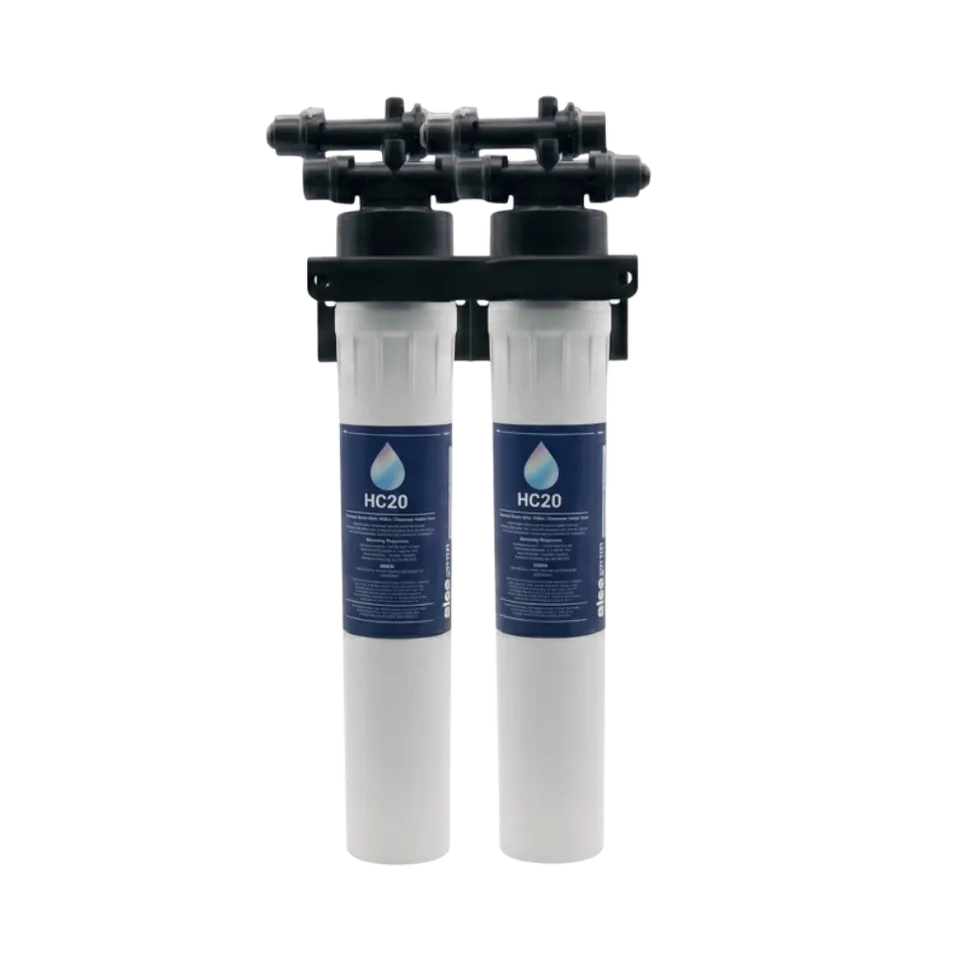
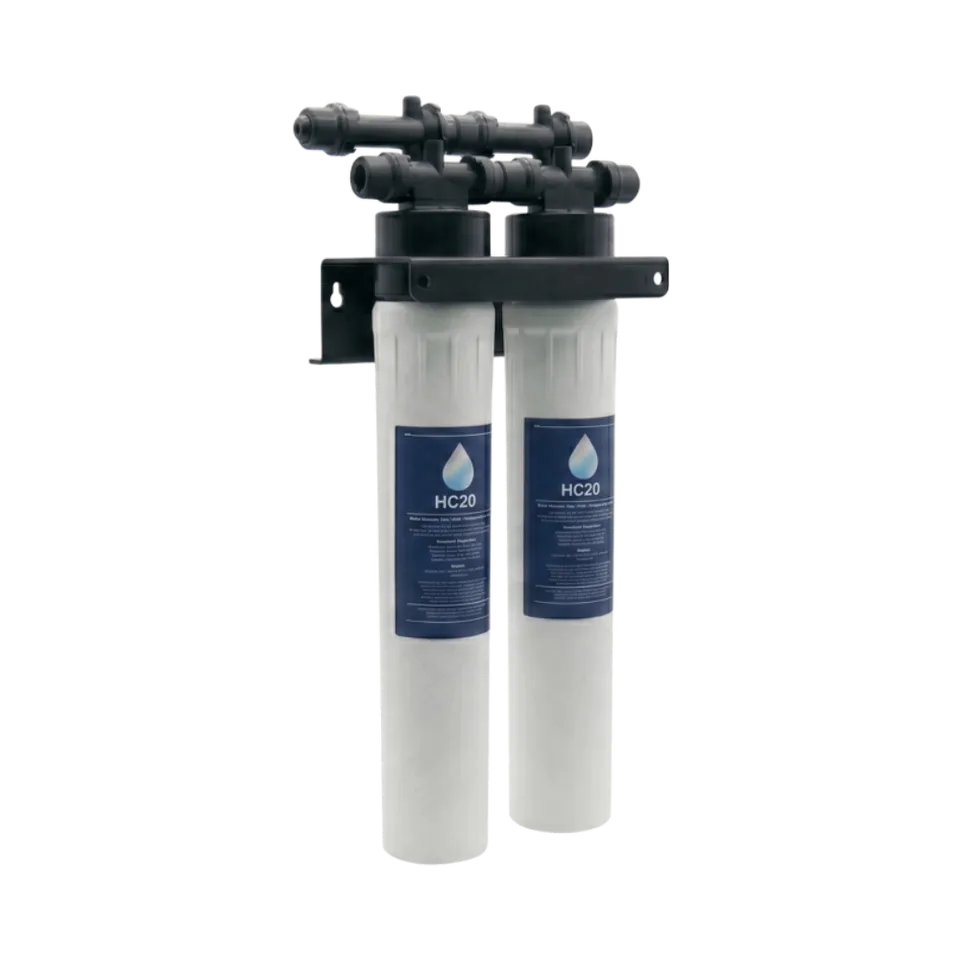
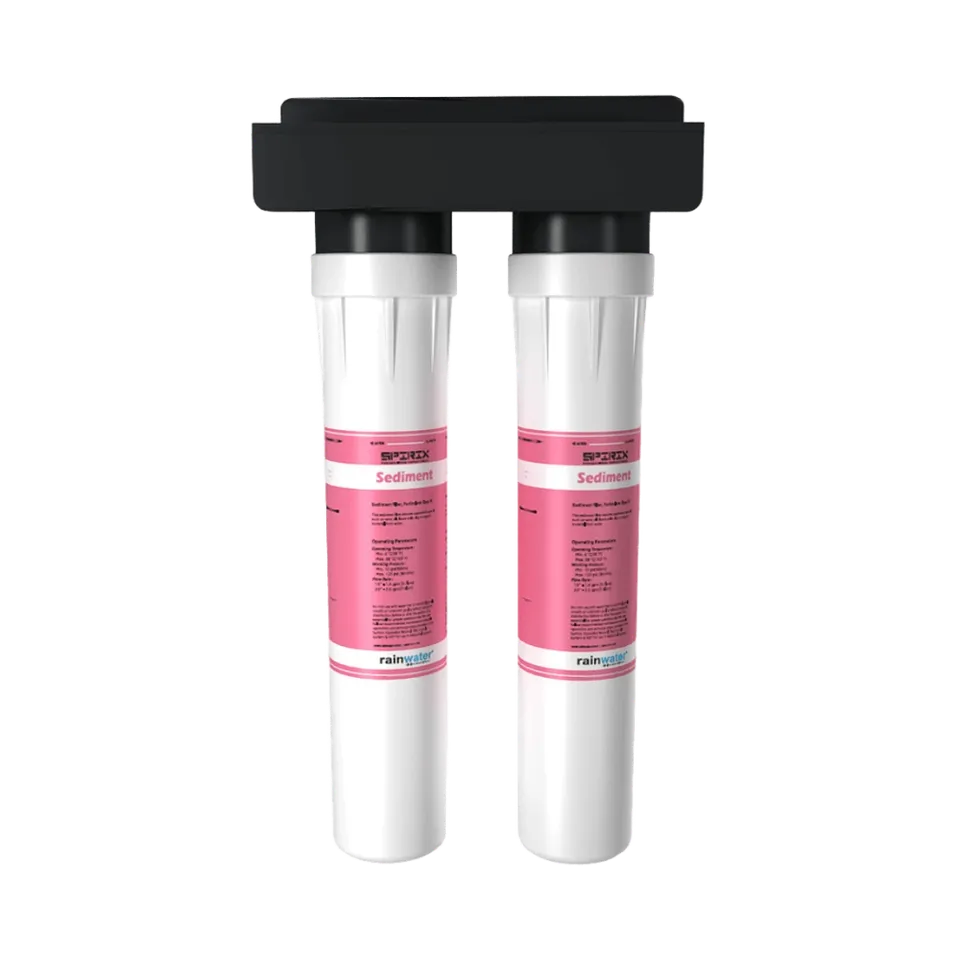
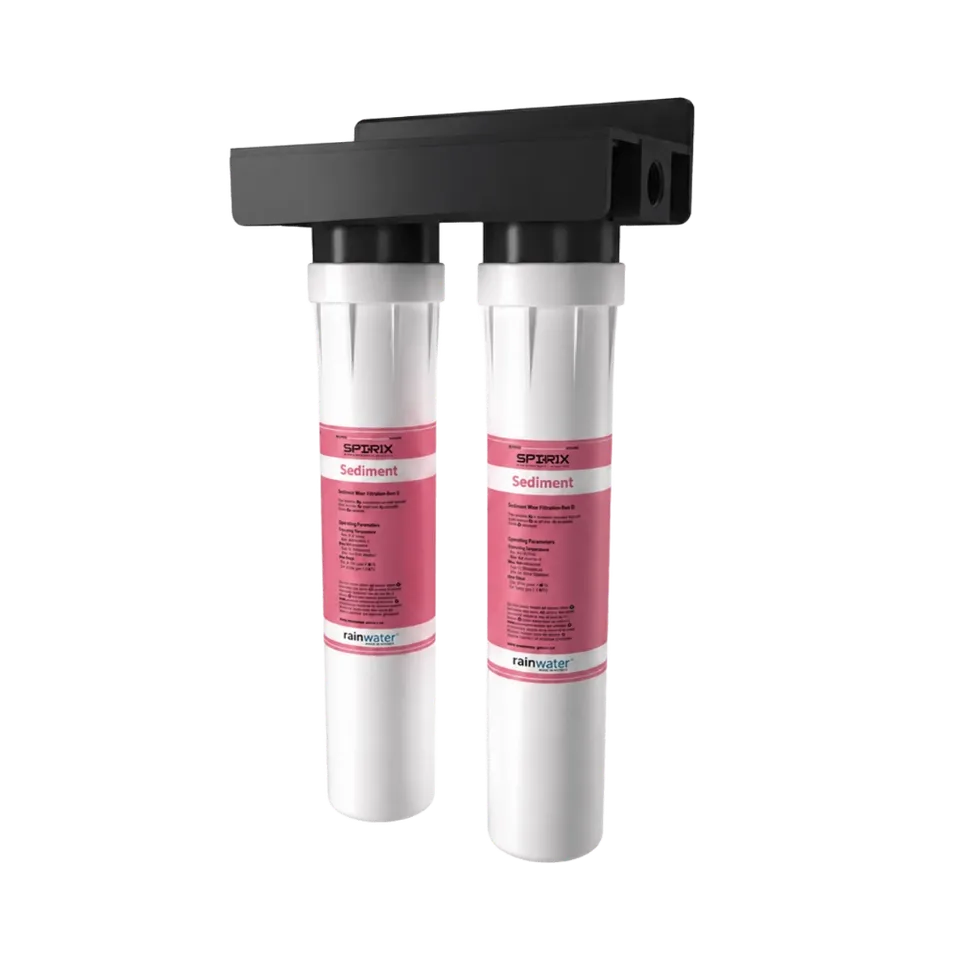
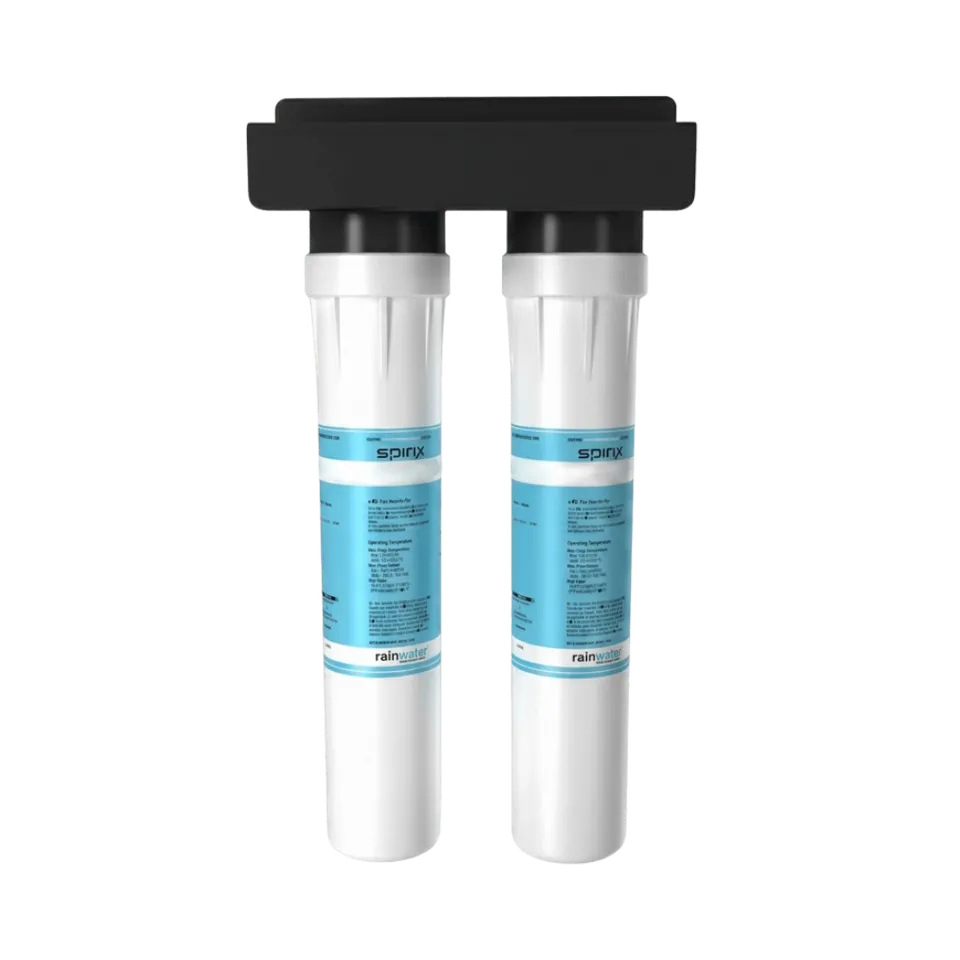
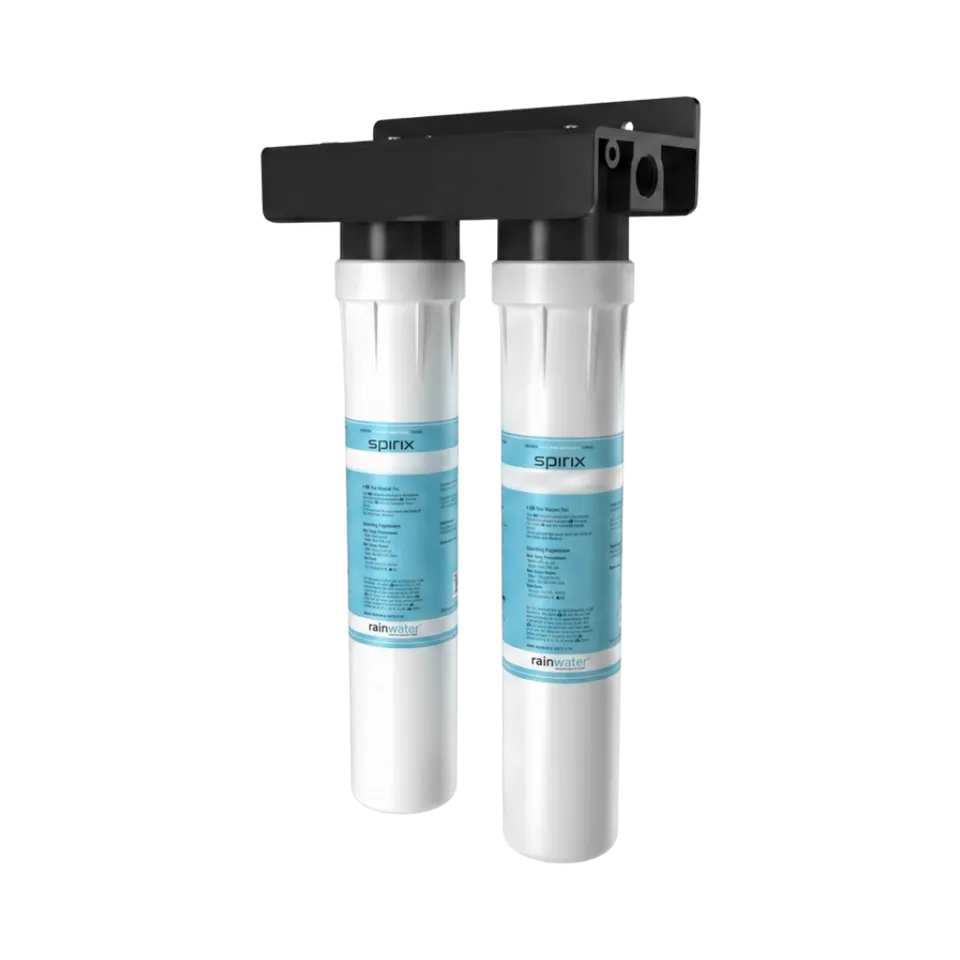
Rainwater's Brew Com Spirix CL-20 Tea Machine Filter connects to the water inlet of the tea machine. Its activated carbon filter, made from coconut shell, reduces chlorine taste and odour, sediment and rust, while its long-lasting phosphate medium limits limescale formation in the boiler. Its cartridge capacity of 170,000 litres makes it suitable for high-volume tea service. You can explore the right solution for all the hot and cold drinks equipment in your business on our Bar and Restaurant Water Purification Systems page, or consult our expert team on 444 0 420.
Frequently Asked Questions
How Do I Stop Tea From Being Bitter?
Brew the teapot over a low heat for 10–15 minutes without letting it boil, and use a measured amount of tea. Not leaving brewed tea standing for long and using water with reduced chlorine and limescale also noticeably reduce bitterness.
What Is the Film on Top of Tea?
This film is a complex formed when calcium in the water combines with the tea's polyphenols. It is not harmful, but it shows that your water is hard and it spoils the taste of the tea; it largely does not form in tea brewed with filtered water.
How Long Does It Take for Tea to Go Stale?
There is no fixed time, but tea left on the heat for a long time after brewing changes noticeably in taste and turns bitter. For the best results, brew smaller amounts more often.
How Can You Tell If Tea Has Gone Off?
If you see mould, a damp smell or clumping in dry tea, do not use it. In brewed tea, a sour smell, a slimy texture and an unusual taste are signs that it has gone off.
Does Filtered Water Change the Taste of Tea?
Yes, usually for the better. When chlorine and excess calcium are removed, the tea's colour is brighter, its aroma more pronounced and no film forms on top. In businesses, the taste of the tea also becomes more consistent from day to day.