How Does a Water Purifier Work? Stage-by-Stage Process and Benefits for Your Home
Would you like to listen to this article?
Your browser reads the article aloud.
0:00 total 8:56
Summarise this article with AI:
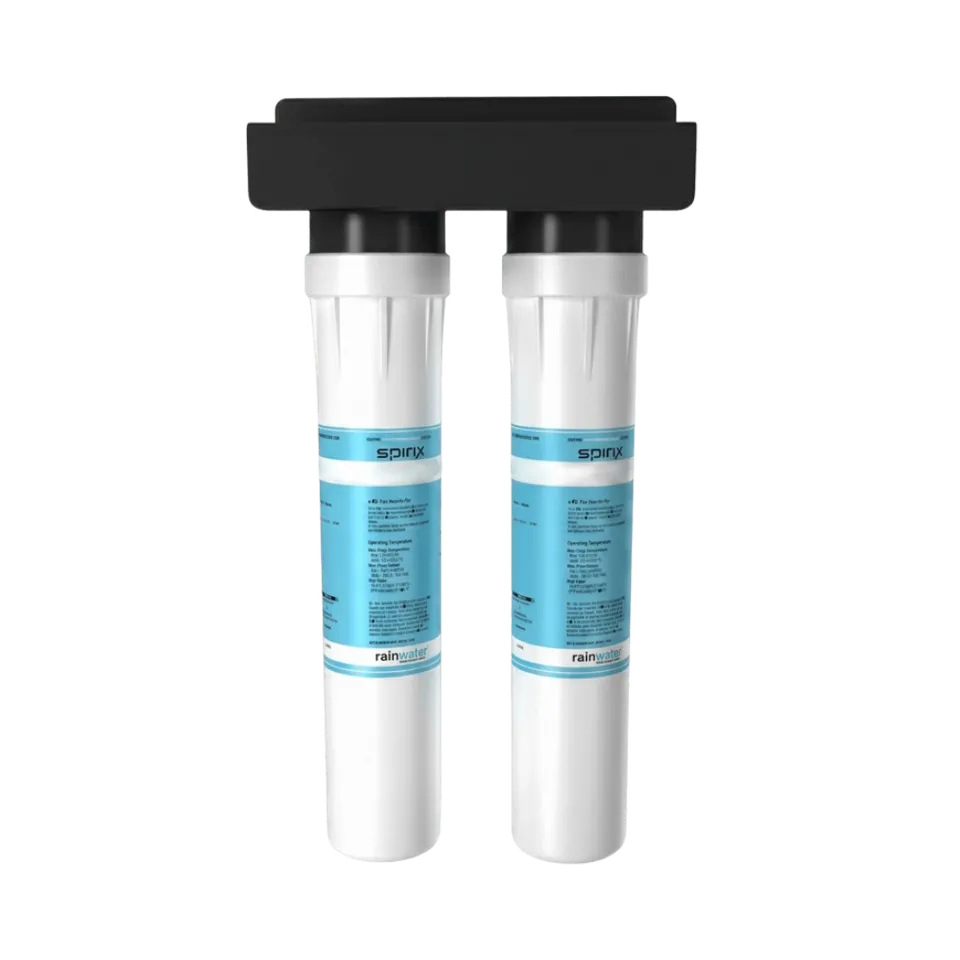
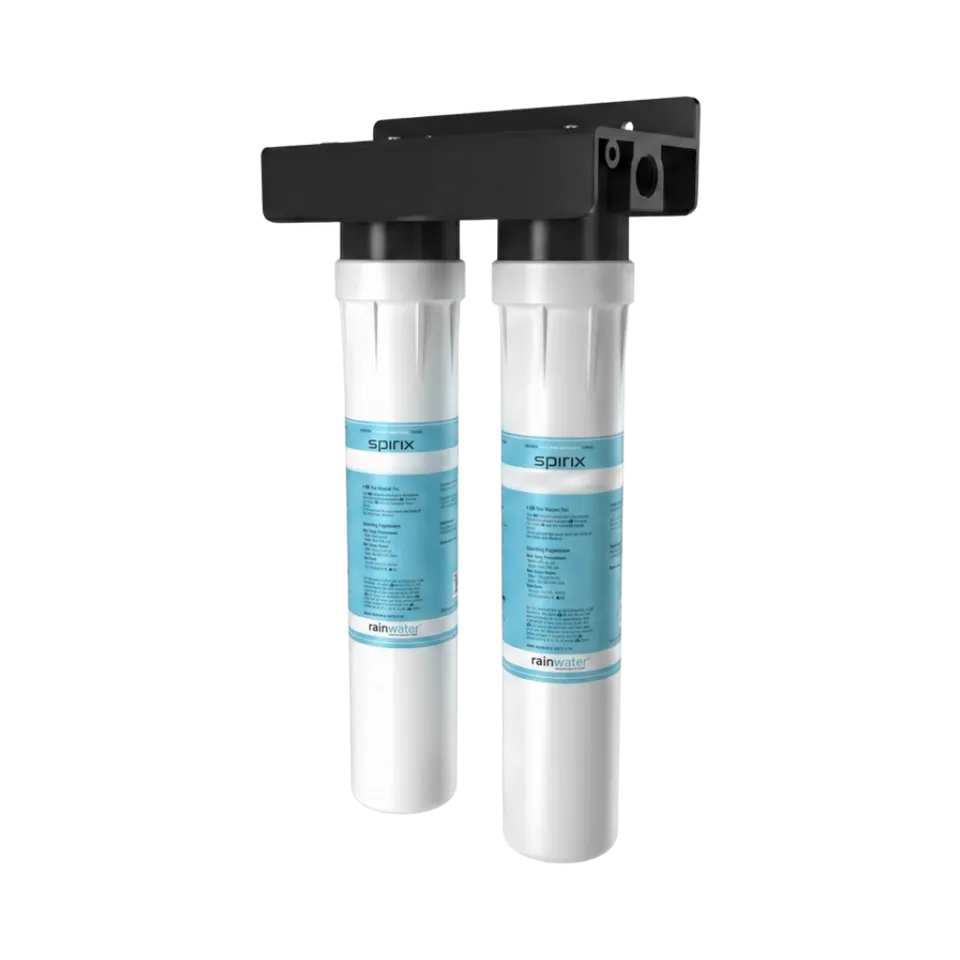
You open the tap and clear water runs out, but we rarely see the system behind it. The answer to how does a water purifier work is that water is cleaned step by step as it passes through several filters and a membrane arranged in sequence. Each stage targets a different problem: sediment, chlorine, smell, dissolved minerals. In this article we walk through a typical home multi-stage device stage by stage and explain what the process gives your home.
Key points
- A multi-stage water purifier passes water through different filters in sequence; each stage targets a different group of contaminants.
- A reverse osmosis membrane removes most dissolved substances; during this process some wastewater is produced.
- Performance depends on replacing filters on time; neglected maintenance lowers purification quality.
The Basic Working Logic of a Water Purifier
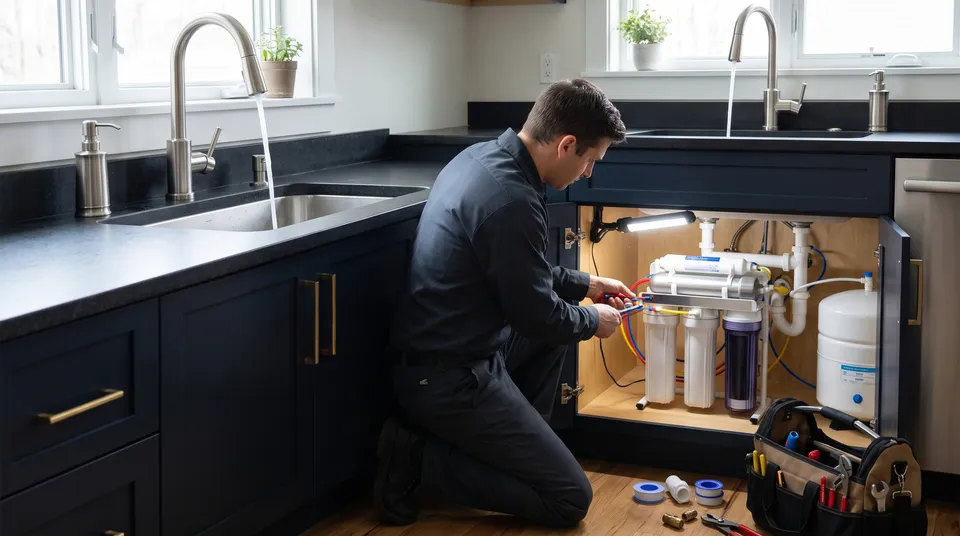
The shared logic of water purifiers is simple: untreated water enters the device, passes through different filters in turn and is then stored as clean drinking water or reaches the tap directly. Mains pressure or a pump pushes the water through the filters. Each stage takes over from the one before, so the water that reaches the last stage is far cleaner than at the first. For technical terms, see our technology guides.
Water Purifier Stages: The Journey of the Water
The sequence below describes a common 5-stage home system. The number and order of stages in your device may vary by model.
Stage 1: Sediment (Pre-Filter)
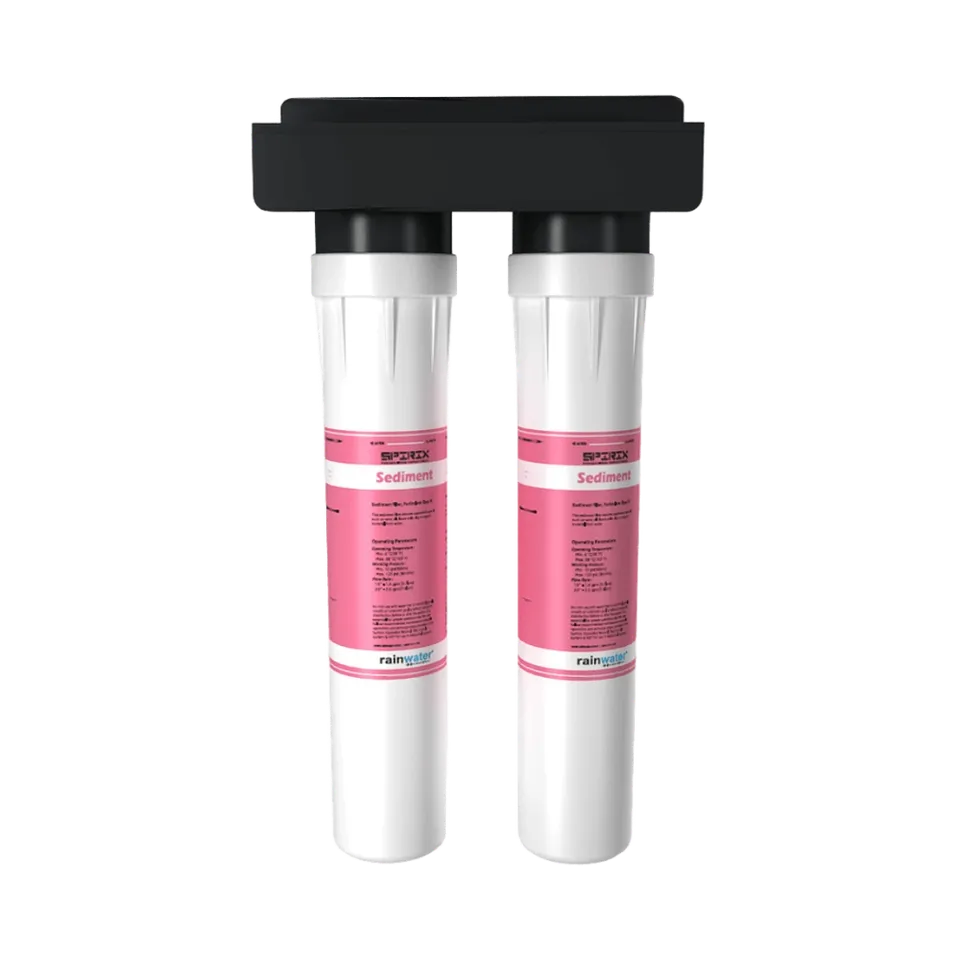
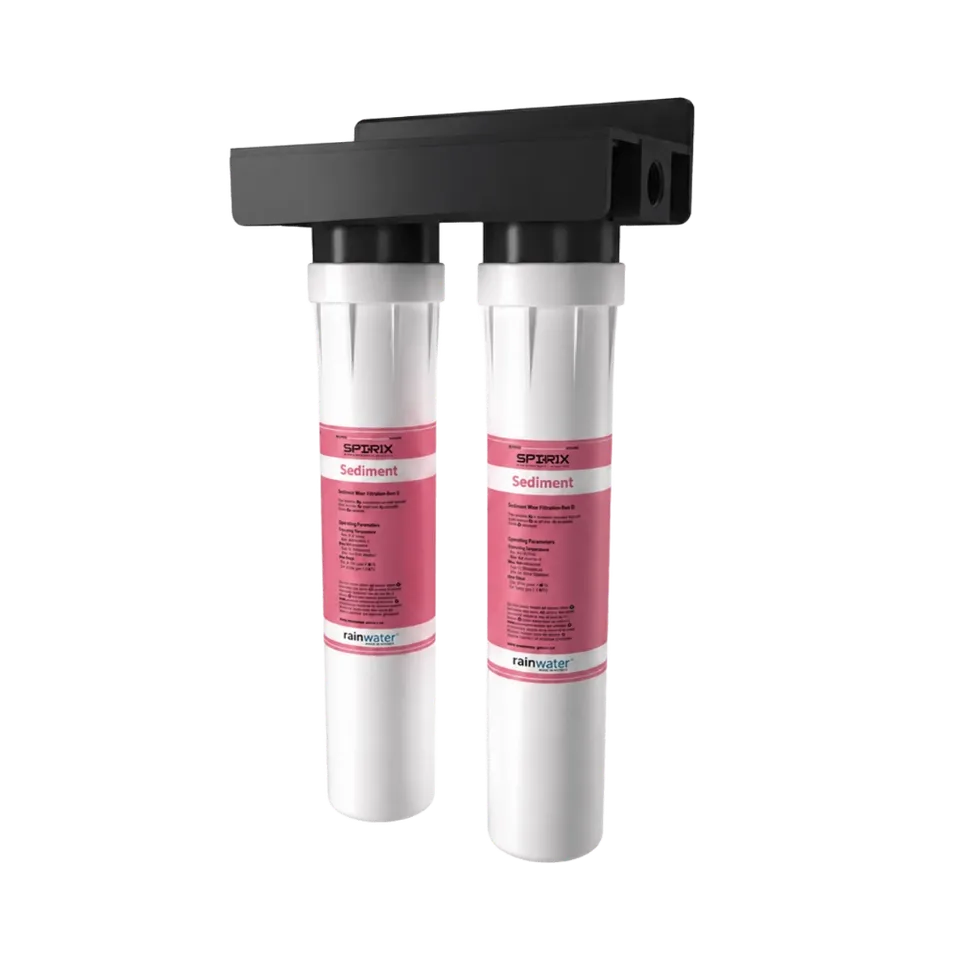
Water first enters the sediment filter. This filter holds back sand, rust and similar particles. Its job is to protect the later stages, and above all the membrane, from clogging. You can see sediment pre-filtration products in our range.
Stages 2 and 3: Activated Carbon Filters
The water then passes through granular and block carbon. Activated carbon traps chlorine and some organic compounds on its surface and improves smell and taste. Because chlorine can damage a reverse osmosis membrane, the carbon stage comes before the membrane.
Stage 4: Reverse Osmosis Membrane
This is the heart of the system. Water is pushed at high pressure through a very fine semi-permeable membrane. As water molecules pass, most dissolved substances and particles stay on one side of the membrane and leave the system as wastewater. Ultrafiltration can be used instead of, or in addition to, reverse osmosis.
Stage 5: Post-Carbon (Taste-Polishing) Filter
Water that has passed the membrane goes through one last carbon filter before storage and delivery to the tap. This stage polishes the taste. In some systems this stage adds minerals or raises the water's pH. Some devices also include a UV filter for extra assurance.
Ultrafiltration and UV: Other Technologies Besides Reverse Osmosis
Not every water purifier uses reverse osmosis. Ultrafiltration (UF) systems have membrane pores larger than reverse osmosis, so they hold back particles and microorganisms while letting dissolved minerals largely pass. People who want to keep the water's mineral structure can therefore look at UF systems. Our article what is ultrafiltration explains the technology in detail.
UV filters use light rather than filtration. As water passes in front of an ultraviolet lamp, the genetic material of microorganisms is damaged and they can no longer multiply. UV does not remove sediment or chemicals on its own, so it is normally used after other filter stages as an extra safeguard.
What Do the Mineral and Alkaline Stages Do?
Because a reverse osmosis membrane greatly reduces dissolved minerals, some users find the water flat or soft. For that reason some systems add minerals in the final stage or raise the pH. The purpose of the mineral stage is to give the water balance and flavour again. Rainwater also offers pH 8+ alkaline water options.
What Do the Pump, Tank and Valves Do?
Besides the filters, the parts that support them matter just as much:
- Pump: provides the pressure the membrane needs when mains pressure is low.
- Pressurised tank: stores purified water and delivers fast flow when the tap is opened.
- Shut-off valve: stops the water inlet when the tank is full.
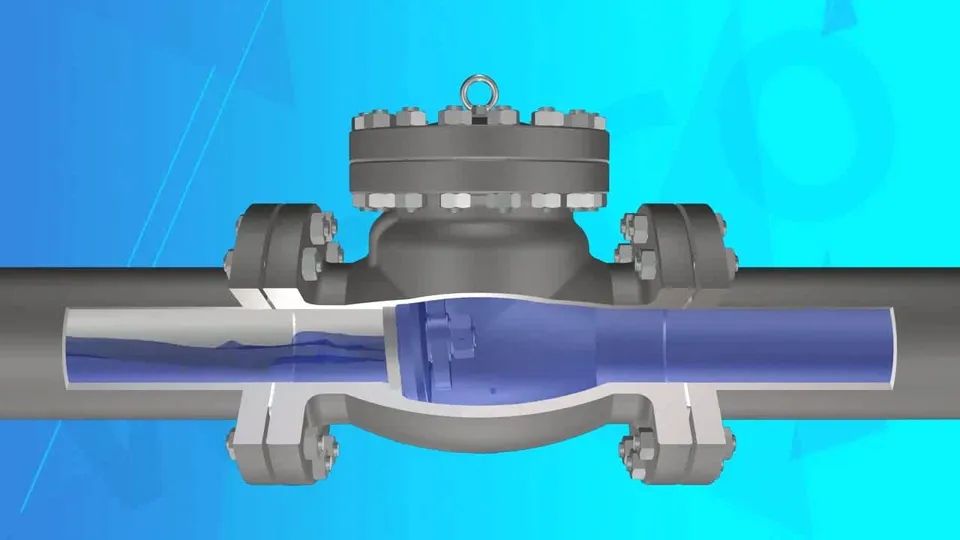
- Check valve: allows water to flow in one direction only and prevents back-flow. Our article what is a check valve goes into more detail.
How Do Pressure and Flow Affect the Device?
How fast a purifier works depends on the pressure and flow of the incoming water. A reverse osmosis membrane is designed to work within a certain pressure range to separate dissolved substances. When mains pressure falls below that range, the membrane produces less and the tank fills more slowly. This can happen in tall buildings or at times of day when pressure drops. Pump-assisted systems are designed to make up the shortfall. Check the manual for the pressure range your device needs.
How Do Home and Industrial Systems Differ?
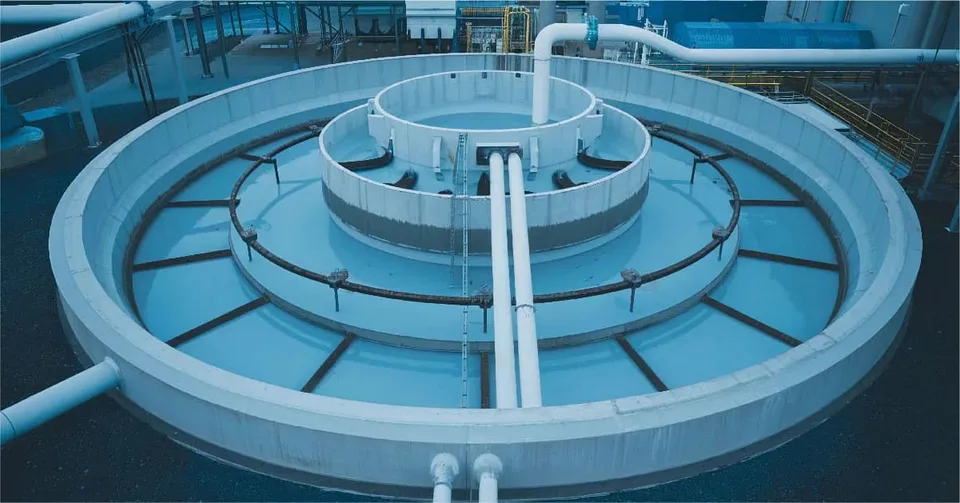
The basic logic is the same, but home and industrial systems differ in scale. Home devices are designed for the drinking-water needs of a single kitchen, have a storage tank and limited daily output. Industrial systems can purify thousands of litres an hour and use multiple membranes and automation. For business-scale needs, see our buildings and industry solutions.
Why Is Wastewater Produced?
In a reverse osmosis system, part of the incoming water passes through as purified water while the rest washes the surface of the membrane and goes to the drain. The wastewater acts as a rinse that keeps the membrane from clogging. The ratio varies with the design of the device.
The Process Step by Step: What Happens When You Open the Tap?
When you think of all the parts as one flow, the process inside the device runs in this order.
1. Mains water enters the device.
2. The sediment filter catches particles.
3. Carbon filters reduce chlorine and smell.
4. The membrane separates dissolved substances; wastewater goes to the drain.
5. Purified water is stored in the tank.
6. When you open the tap, the water passes through the post-carbon stage and flows out.
What a Water Purifier Does for Your Home
In daily life the result looks like this: clearer, better-tasting drinking water, no chlorine smell, a cleaner flavour in tea and coffee, no more carrying bottled water and, with it, less plastic waste. To compare the cost against bottled water, use our water bottle cost calculator. For general information about tap water, our guide water purifier for tap water will help.
Keeping the Device Running Well
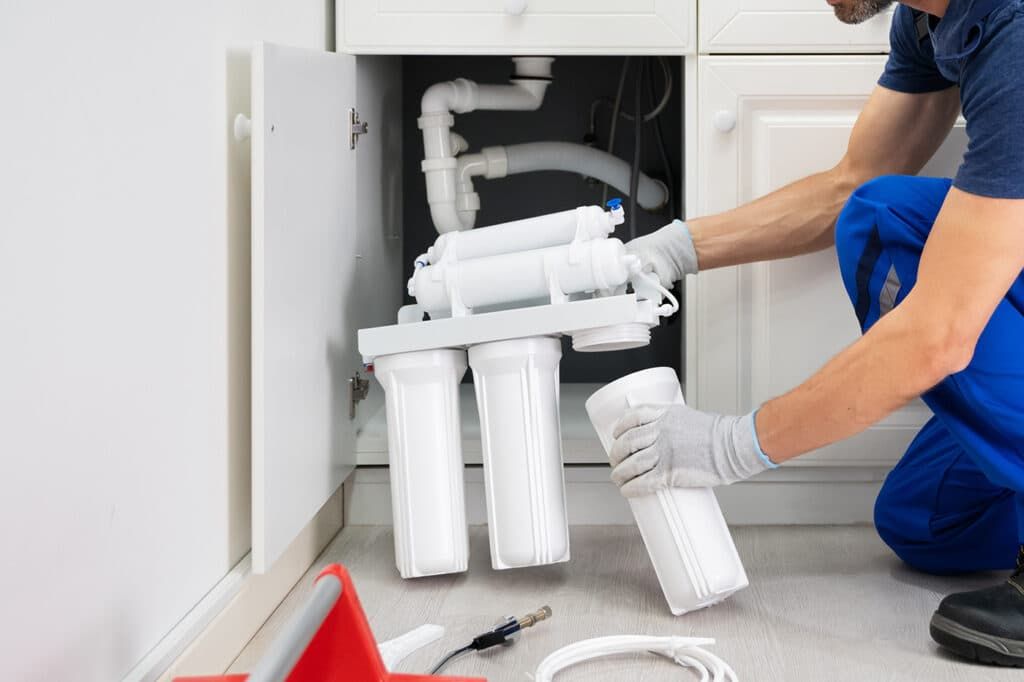
A purifier works as designed when its filters are changed at the right time. A clogged filter slows the flow, and exhausted carbon loses its ability to hold chlorine. LED indicators on Rainwater taps tell you when a filter change is due. For the installation process see how to install a water purifier.
Choosing the Right Device
You can read about the different kinds in types of water purifiers and about selection criteria in which water purifier should I buy. To see products, browse our under-counter water purifiers category or contact us.
Frequently Asked Questions
Here are short, direct answers to the questions readers ask most often about this topic.
How does a water purifier work?
Water passes through sediment, carbon and reverse osmosis membrane filters arranged in sequence, and is cleaned of particles, chlorine and dissolved substances. Purified water is stored in a tank and flows when the tap is opened.
How many stages does a water purifier have?
The most common home systems have five stages, but the number varies by model. What matters is not the stage count but that each stage has a job matching a problem in your water.
Does a water purifier work with electricity?
Pump-free systems use no electricity. Pump-assisted systems use electricity for the pump. LED taps may also need a small power source.
Does a water purifier remove minerals?
A reverse osmosis membrane removes most dissolved minerals. For people who want to keep a mineral balance, systems that add minerals or include a mineral filter are available.
Why does a water purifier produce wastewater?
In reverse osmosis, part of the incoming water rinses the membrane and goes to the drain as wastewater. This prevents the membrane from clogging.
When do water purifier filters need changing?
Filter life depends on how much you use the device and the quality of your water. Follow the manufacturer's recommendations and keep to the maintenance schedule.